Having the right amount of documentation is an art. Often a team either has too little or too much of it. Either way, each scenario decreases the effectiveness of a team because team members are either waiting for someone to validate their work or sifting through mounds of READMEs, files, and folders searching for answers.
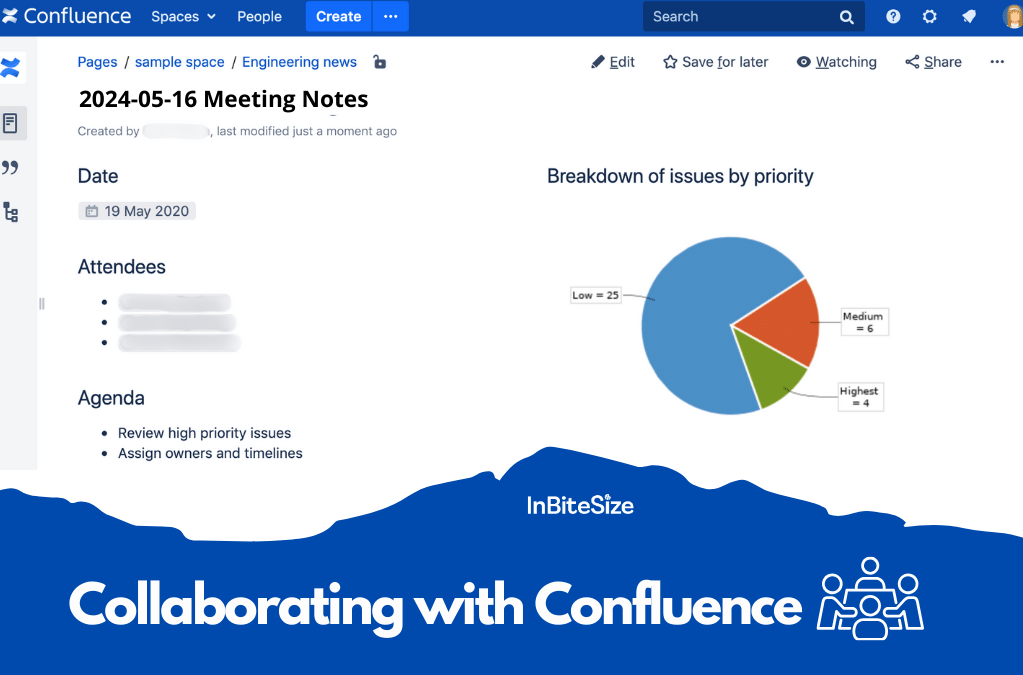
In today’s blog, we’ll be talking about Atlassian’s Confluence, and we’ll be sharing how we leverage some of its capabilities to:
Simplify team processes
Engage with our stakeholders, and
Enable asynchronous communication
What is Confluence
Are you a fan of Wikipedia? Then, you can think of Confluence as an organization’s internal wiki where folks can share a plethora of information. In Atlassian’s words, Confluence’s tagline is “create, share, and harness knowledge across teams” by breaking down silos and harnessing the power of teamwork.
In simpler terms, Confluence is made up of spaces and pages, which are protected by permissions. A space is a container to hold the pages and other bits of content relating to a particular purpose. For example, we have a space for our team and another for our department. I also have another space where I share agile knowledge with folks all across my organization. Each of these spaces have different types of content and cater to a different audience.
Pages are like the articles of this blog or the various topics you come across when you’re clicking through Wikipedia. They come blank like a Google Doc or a new Microsoft Word document. From there, you fill the page with information given your intent. For example, we have pages that describe our team and our goals. Beyond that, we have pages to document our use cases and customer personas and capture our meetings’ actions and decisions. The world is your oyster. You can leverage Confluence based on your use cases.
On top of all these are permissions that you and/or an admin can set to protect sensitive items. If you’d like a crash course in Confluence, check out their Atlassian University. They’ll do a better job describing their product that us!
Now that you’ve learned more about Confluence, we’ll share one of the many ways we use it to strengthen collaboration across our teams.
Simplify your team processes
In my world, we often have processes that are repeatable and followed by all members of our teams. To ensure we operate as effectively and efficiently as possible, our team creates SOPs, runbooks, and meeting agendas. Each of these artifacts has its own template that we customized to fit our team’s needs. Templates help ensure we capture the right information each time. Because these artifacts have a consistent format, it’s easy for us to search for content, too. For example, if I’m looking for actions from a meeting, I know that I can look at the top of the page to find the content. As a bonus, Confluence has tons of templates that come out of the box.
Something else we use to simplify our processes are tags. Think of tags as hashtags on Instagram posts. In our case, we use tags to tie together similar content that may be organized under different parts of our navigation tree. For example, we have a tag for meetings and another tag for our knowledge articles. If we’re struggling to find a page, we can always click on a tag to find all articles related to that content.
Engage with your stakeholders
Along with aligning our team, we also leverage Confluence to engage with our stakeholders. The two features that we use are blogs and calendars. For example, we use blogs to send release notifications to our customers at the end of every sprint. The way blogs work is that they automatically follow a sort order by date in the navigation tree. Therefore, our customers know to look at the top blog post to find the latest feature releases, limitations, and issues that are occurring.
Calendars work similar to Microsoft Outlook or Google Calendar. In our calendar, we highlight key company holidays, code freezes, and release dates. Each of these categories have their own color scheme. Therefore, our customers can sort through the information that is pertinent to them and make adjustments as needed.
Enable asynchronous communication
No one has ever said that he or she would like more meetings. To support asynchronous communication, we use the comment function. With some of the features listed above (e.g. calendars and pages), folks can actively comment inline or in the comment sections of each article.
I have a global team that works with groups all across the company. For our architecture security reviews, we actively use the comment function to highlight gaps. For example, a USA-based security analyst may ask a question about connectivity. Overnight, a UK-based engineer, can review the comment and provide details. If more detail is needed, we can always meet. However, most times we can resolve issues before ever having to send a meeting invite!
A note about the alternatives
If your organization does not have licenses to use Confluence, there are many other tools on the market, such as Microsoft’s OneNote and Google Docs. Each has its own sets of pros and cons, which we’ll write about another day!
Remember, tools are not the answers to your problems. Rather, they are the stepping stones that support you and your teams on your journey to greatness. To get started, think about the challenges you and/or your stakeholders are facing and then, shape your tooling to address those gaps.
Be sure to comment below and share how your teams are using tools to elevate their experience.
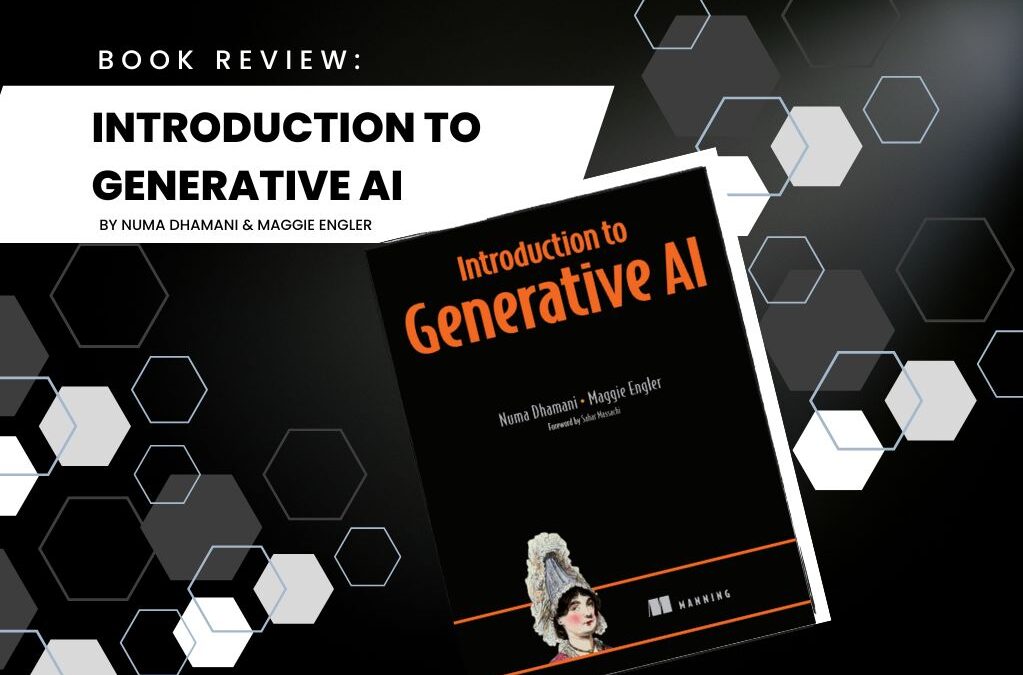
As the world of artificial intelligence (AI) rapidly grows in popularity and notoriety, “Introduction to Generative AI” by Numa Dhamani and Maggie Engler serves as a significant beacon for beginners and experts alike. This book provides a broad and extensive overview of Generative AI, with a particular focus on Large Language Models (LLMs), in which Dhamani and Engler unpack its complexities in an accessible manner. The authors’ intent to educate, create awareness, and advocate for the ethical and responsible use of AI is clear and compelling.
In this review, we’ll break down the key elements of the book and highlight some of its strengths and weaknesses.
Informing to Understand
At the core, the book dives into the intricacies of what makes LLMs tick — from the pre-training phase to the exploration of web data and to the algorithms that contribute to the output. Notably, the coverage of emergent abilities, like zero-shot and few-shot learning, alongside considerations, like potential inclusion of Personally Identifiable Information (PII), stereotypes, or derogatory data, provides a balanced view.
A Timeline of Breakthrough Events in NLP
1944
Warren McCullough and Walter Pitts, a neuropsychologist and mathematician respectively, develop the first neural network models.
1950
Alan Turing proposes an “imitation game” as a test of machine intelligence, which will come to be referred to as the Turing test.
1966
Joseph Weizenbaum releases ELIZA, a therapist chatbot.
1970-80s
Symbolic systems are most popular in NLP, while reduced funding and few research breakthroughs mark the period later known as an “Al winter.
1990s
Statistical models begin to set new benchmarks on NLP tasks, and the first deep, recursive neural networks are trained.
2006
Google Translate becomes the first commercially successful NLP system.
2013
Google researchers introduce word2vec, the first model to produce word embeddings, which will be widely reused for encoding words for NLP tasks.
2014
The attention mechanism is conceptualized.
2017
Google Brain researchers introduce the Transformer architecture.
2018
OpenAl releases GPT-1, their first Generative Pre-trained Transformer model.
2019
OpenAl releases GPT-2 after a months-long delay over concerns about misuse; Google releases BERT, another large Transformer model that will also be used widely to create word embeddings or representations.
2020
OpenAl releases GPT-3.
2022
OpenAl releases ChatGPT, which achieves overnight popularity.
Reference: “Introduction to Generative AI” by Numa Dhamani and Maggie Engler, p.10, Figure 1.3
Capabilities and Applications
From language modeling and content generation to coding and logical reasoning, Dhamani and Engler showcase the profound capabilities of LLMs. Real-world examples, including OpenAI’s ChatGPT and GitHub’s Copilot, are used to illustrate the stark realities of AI in action, providing readers a tangible connection to abstract concepts.
They also provide more personal applications of LLMs including Xiaolce, Replika, and Character.AI. These platforms facilitate interactions between humans and AI for companionship, romance, or entertainment, underscoring the importance of balancing the appeal of AI companionship with rigorous data protection measures.
Caution on the Data
To address the ethical dimension, the authors highlight the dual-edged sword of using open-source web data, which is potentially embedded with biases and/or hallucinations that lead to stereotypes or misinformation, respectively. With mechanisms, like post-processing detection algorithms and reinforcement learning from human feedback, the book does not shy away from discussing AI’s vulnerabilities and limitations.
The discussion extends into the implications of bias, hallucinations, and sustainability. They provide practical examples, including the precautionary tale of NEDA’s AI-driven helpline, Tessa. There’s an urge towards responsible AI governance, emphasizing the need for an independent body of experts to leverage its use ethically and to the broader population’s advantage.
Manning Publications offers a platform that encourages in-depth discussions about Generative AI, focusing on how AI applications can improve both the workplace and our daily lives, all while prioritizing ethical and responsible usage. Engage directly with the authors by joining the lively discussions in their liveBook. Learn more here.
Analysis
For curious readers, the “Introduction of Generative AI” has the following key highlights and considerations.
Highlights:
The book stands out for making the complex domain of LLMs accessible to a wide audience by providing an array of real-life use cases.
It’s a clear and resonant call for responsible innovation by providing pathways towards ethical governance in AI development and deployment.
Considerations:
Those seeking in-depth technical knowledge or how-to guides on developing LLM may find the scope limiting.
Its high-level overview prioritizes breadth over depth, potentially leaving technical enthusiasts desiring more granularity.
Final Thoughts
“Introduction to Generative AI” serves as a fundamental guide that effectively unravels the complexities of a complicated topic. Dhamani and Engler have produced work that is not just educational but also a call to action for ethical responsibility in the AI arena. It invites readers on all levels to ponder not just the capabilities but the broader implications of deploying Generative AI in everyday applications.
While the book’s treatment remains high-level, its real accomplishment is in spotlighting the myriad considerations — technical, ethical, and environmental — that come with integrating LLMs into our digital ecosystems. For anyone interested in understanding Generative AI’s landscape without getting lost in the technical weeds, this book offers a valuable and insightful starting point.
Let’s continue the conversation. Has your organization taken steps to establish internal controls or guidance regarding the use of LLMs, or any AI technology, in your organization? Is your organization ready to embrace a technology that has taken the modern world by storm?
What truly drives us? Is it the primal force of survival? Is it the promise of reward or the threat of punishment? Or could there be a deeper, more intrinsic force at play in our daily work and lives? In his book “Drive,” Daniel H. Pink sets out to answer these questions, taking the reader on an exploration of human motivation, from the dawn of time to the 21st-century workplace. Pink’s narrative reveals the outdated models of motivation and presents a refreshed, research-backed framework—Motivation 3.0—crafted for the modern world. Here, we’ll unpack each layer of Pink’s paradigm shift from Motivation 1.0 to Motivation 3.0. “Drive” provides a roadmap for leaders, managers, and professionals who seek to unlock the full potential of their teams and themselves.
Try to pick a profession in which you enjoy even the most mundane, tedious parts. Then you will always be happy.
– Will Shortz Puzzle guru
Presenting Motivation 1.0 as the Essential Starting Point
Motivation 1.0 emerged as humanity’s foundational drive system, deeply rooted in our survival instinct. It guided our ancestors through the harsh and unforgiving landscapes of the early world, where the primary concerns were avoiding danger and securing basic necessities like food, water, and shelter. This primal nature of Motivation 1.0 is instinctual, operating on the simple but powerful mechanism of reward and punishment to ensure survival. It’s a testament to the resilience and adaptability of humans, driving us to overcome challenges and thrive in diverse environments. As societies became more sophisticated, there was a need to upgrade from this basic model to something more refined to align with the current times: Motivation 2.0.
Unveiling Motivation 2.0 and its Shortcomings
Motivation 2.0, the traditional ‘carrot-and-stick’ approach, was the popular management approach during the Industrial Age. It was a time when impersonal, routine, and mechanistic work demanded little more than a reliable, controllable human component. The system was simple: reward productive behavior, punish unproductive behavior. Although this approach is still applicable to some of today’s organizations, it has several loopholes that cannot hold up in the face of the complex, creative, and innovation-driven tasks of the modern workplace. Pink dissects compelling and evidence-based reasons why carrots and sticks don’t work. He showcased how this system not only fails to inspire but also can, in certain instances, stifle performance, creativity, and ethical behavior. Thus, the need for another upgrade in the operating system was required. Pink refers to this upgrade as Motivation 3.0.
The Rise of Type I Behavior in Type X World
Today’s revolutionizing workplace dynamics means acknowledging the need for a new type of motivation—Motivation 3.0. The backbone of Motivation 3.0 is based on certain behaviors, specifically Type I and Type X Behavior, with focus on the relevance of the former. Type I Behavior is where individuals are driven by internal motivations, such as the satisfaction of personal growth, the pursuit of meaningful work, and the desire to contribute to a greater good. Here, Pink introduces a radical shift—fostering environments that promote autonomy, mastery, and purpose. Pink does not disregard the effectiveness and applicability of Type X – external reward-based motivation – to inspire workers to perform. However, Type X Behavior excels when the work is more routine and repetitive. This type of work is far from the creative and innovative work required in most of today’s workplaces.
Nothing is more important to my success than controlling my schedule. I’m most creative from five to nine A.M. If I had a boss or co-workers, they would ruin my best hours one way or another. – Scott Adams Dilbert creator
The Principles of Motivation 3.0
Motivation 3.0 is not just a conceptual upgrade; it’s a framework embedded with actionable insights. Here are the pillars that underpin this modern motivational approach:
The desire to do something because you find it deeply satisfying and personal challenging inspires the highest levels of creativity, whether it’s in the arts, sciences, or business. – Teresa Amabile Professor, Harvard University
Autonomy at the Core
Employees crave the independence to manage their own work schedules and processes. By granting autonomy, leaders instill a sense of ownership and passion that can never be derived from an external command or pressure.
Pursuing Mastery
The quest for personal excellence is deeply rooted in human nature. In the pursuit of tasks, people yearn to grow and master their skills. In a Motivation 3.0 environment, work is reconfigured not as a monotonous chore but as a pathway to continuous development and achieving ‘flow.’
The Pull of Purpose
Beyond the ‘what’ and ‘how’ of work, lies the critical question of ‘why.’ Purpose is what propels individuals to work with passion, to have a stake in the outcome, and to be part of something that endures beyond the day-to-day toils.
Motivation 3.0 in Action
In a recent case study, I supported a Platform Director who sought to address low productivity within their team by tracking individual task lists. However, this approach backfired as it was seen as micromanagement and raised concerns about the use of data. Working collaboratively with the Director, we pivoted towards a more empowering strategy: asking each team to conduct their own root-cause analysis to understand why commitments were being missed and identifying areas for improvement in future iterations.
This alternative approach fostered autonomy within the teams, allowing them to engage in problem-solving based on their expertise. It also promoted mastery by encouraging continuous improvement through experimentation, observation, and adjustment in each iteration. By fostering a culture of collaboration and empowerment, leaders can drive sustainable growth and success within their organizations.
I believe wholeheartedly that a new form of capitalism is emerging. More stakeholders (customers, employees, shareholders, and the larger community) want their businesses to … have a purpose bigger than their product. – Mats Lederhausen Investor and former McDonald’s executive
Embracing the Future of Work with Motivation 3.0
Traditional approaches to motivation are no longer enough in today’s rapidly evolving workplace. Motivation 3.0, based on autonomy, mastery, and purpose, is the key to success and fulfillment for your team. So let’s revolutionize how we motivate our teams! Create a workplace where personal accountability and growth, continuous learning, and meaningful contributions are the norm. Be the leader who drives this change and shapes a brighter future for all.
Leaders hold the key to this transformation. Empower your teams to drive towards success by fostering creativity, pursuing passions, and pursuing excellence with purpose. The future awaits – are you ready to unleash the true potential of your team’s intrinsic motivation?
Explore More: Uncover the Key Insights from Drive
If you found the book review on Drive inspiring, get ready to delve deeper into Motivation 3.0: 3 key pillars, how to develop your own Type I behavior, and the practical application of motivating people in various respects of our personal and professional life. Stay tuned for our next installation to help unlock your potential as a leader or manager.
Feel free to connect with us if you need any assistance with motivating your team.
Being a good leader is an art, but being a Multiplier is a masterpiece. In her book ‘Multipliers,’ Liz Wiseman redefines leadership with a template that doesn’t just manage teams but grows them exponentially. A Multiplier is someone who extends the capabilities of those around them. They see genius in everyone, believe in inclusivity, and have the ability to amplify the intelligence and talents of the people they lead.
This post will not just explain what a Multiplier is, but also map out a tangible roadmap for you to join this powerful leadership revolution that will transform how you lead, work, and behave. This article is the final installment of a four-part series on Multipliers, which started with a book review on the said topic: Multipliers: How the Best Leaders Make Everyone Smarter
What Defines a Multiplier?
Before you become one, you must understand the core traits of a Multiplier.
A Multiplier:
Instills a sense of ownership and accountability in their teams.
Recognizes and challenges their team, pushing everyone to perform at their peak.
Attracts and retains the best talent, as people fight for positions on their teams.
Creates an intense work environment, requiring everyone’s best thinking and work.
The good news is being a Multiplier is not something that just comes naturally, or something that you are born with; it is an acquired skill. It is a shift in mindset that anyone, from a seasoned manager to a newly-appointed team leader, can develop by following these five steps.
Your outlook shapes outcomes. A Multiplier begins with a set of assumptions, which underpin their actions. They view people as smart and having the potential to figure things out, which leads to trusting employees and empowering them to make decisions. Trust is the foundation of this leadership concept.
Empowerment and Its Effects
Hand over the reins, and watch your team members flourish! Empowerment is not just a word; it’s a decisive action that fosters growth. Some organizations have encouraged leaders to practice JOMO (Joy Of Missing Out). As a leader, this means you do not have to be present for every single meeting, nor do meetings have to revolve around your schedule. Many day-to-day decisions can be made by the team without your guidance or approval. This helps develop autonomy and accountability from the team members.
Multipliers don’t try to be good at everything; they work on talent extremes. They neutralize team members’ weaknesses and magnify their strengths, knowing that a strength left undeveloped is just as harmful as a weakness.
Neutralizing Weakness
Recognize the areas where your team members might struggle and provide support and training. This act of care can prevent these weaknesses from undermining the team’s overall performance. Providing skills development or retraining on technical and/or soft skills will help.
Magnifying Strengths
Identify and invest in the strengths of your team members. When you capitalize on their strengths, it propels the team forward. Leverage your team’s strength and supplement with external experts to coach or mentor the team to develop organizational capabilities.
Being a Multiplier involves pushing boundaries. Encourage your team to innovate. Run small experiments within your projects and teams and see how they flourish.
Small Experiments, Big Potential
Engage in calculated risk-taking. Small-scale initiatives with a controlled impact can lead to unexpectedly significant positive outcomes. By starting small and focusing on manageable projects, you can achieve remarkable results. Challenge your team to identify areas for improvement, like streamlining the employee onboarding process. Begin by refining your own team’s procedures to demonstrate success within your control. If these strategies prove effective, inspire other leaders in the organization to adopt them. Involve your team every step of the way to foster leadership growth and ensure a seamless transition as the initiative scales up.
Being a Multiplier is not a solo mission. You’re still part of the team. Ask for help. Collaborate. Support each other.
The Power of Collaboration
Your network is your biggest asset. Working and solving problems in a team often leads to far superior results than working in isolation.
Creating a Supportive Culture
Foster an environment where asking for help and feedback is encouraged, not seen as a weakness. This collaborative culture leads to better communication and innovative solutions. It also helps minimize the risk of you unintentionally developing into an Accidental Diminisher. See our third installment blog of our four-part Multiplier series for more details: The Thin Line: Leading without Diminishing
Becoming a Multiplier takes time. It means addressing deep-rooted assumptions and creating new habits that encapsulate the Multiplier mindset.
Addressing Assumptions
Dissect your everyday actions and decisions. Are they aligned with Multiplier or Diminisher behaviors? Be willing to change your approach as needed.
Overcoming Setbacks Efficiently
Setbacks are part of the learning process. Accept that you will stumble. It’s how you recover from these episodes that define your leadership.
Building a Multiplier Culture
What’s after these five steps? Well, a Multiplier movement isn’t just about individuals behaving in this way; it’s about establishing a culture that perpetuates these values across the board. To establish a Multiplier culture, there are several cultural elements that you must focus on.
Common Language Develop phrases and terminology that bind your team. This shared language cements the group identity and sets expectations.
Learned Behavior It’s not enough to talk the Multiplier talk; leaders must teach their teams these skills. Incorporate Multiplier thinking into your training and development programs.
Shared Beliefs Shift the organizational mindset. Shared beliefs hold the team together and guide their actions.
Heroes & Legends Identify and celebrate moments when individuals display Multiplier behavior. This fame not only motivates the individual but provides clear examples for others.
Rituals & Norms Establish non-negotiables for Multiplier behavior. Make them part of your culture’s DNA.
The same cultural elements are exhibited in popular movements and programs such as AA (Alcoholics Anonymous) – a structured program designed to guide individuals on the path to recovery from alcoholism. Rooted in a set of principles and a twelve-step process outlined in their ‘Big Book’, AA fosters unity through shared beliefs, regular meetings, individual sponsors for support, and the power of storytelling. Across the globe, consistency reigns as members come together in harmony to support each other on their journey to sobriety.
To become a Multiplier, be bold enough to trust and empower your team, support individual growth, and be a pioneer in creating a Multiplier culture. It’s more than leadership; it’s a legacy of growth and excellence. So, embrace the Multiplier mindset and watch your team rise to new heights!
Conclusion
In this post, we’ve explored the characteristics of a Multiplier leader and how anyone can adopt this mindset if you put your mind to it. It begins with shifting assumptions about people’s abilities and developing a deep trust in their potential. A Multiplier focuses on magnifying strengths and neutralizing weaknesses while encouraging experimentation and collaboration. They also prepare for setbacks and continuously work towards creating a Multiplier culture within their organization.
By embracing these steps and principles, you can become a more effective leader and empower those around you to reach their full potential. It’s time to unleash the Multiplier within you and create a lasting impact as a leader. Embrace the Multiplier mindset and see the transformation in yourself and your team. Remember, leadership is not about being the best; it’s about making those around you better.
Just like a vine overshadowing a sprout, well-intentioned leaders can inadvertently hinder their team’s growth and autonomy, becoming unintentional barriers to success. In Liz Wiseman’s “social,” these leaders are identified as Accidental Diminishers. Dive into the third installment of our Multiplier (by Liz Wiseman’s book) series for insights on avoiding this common pitfall. Find our first two articles from our Multiplier book series here: Book Review: Insights into Multipliers and Evolving Towards Being a Multiplier Leader.
Accidental Diminishers and Their Many Faces
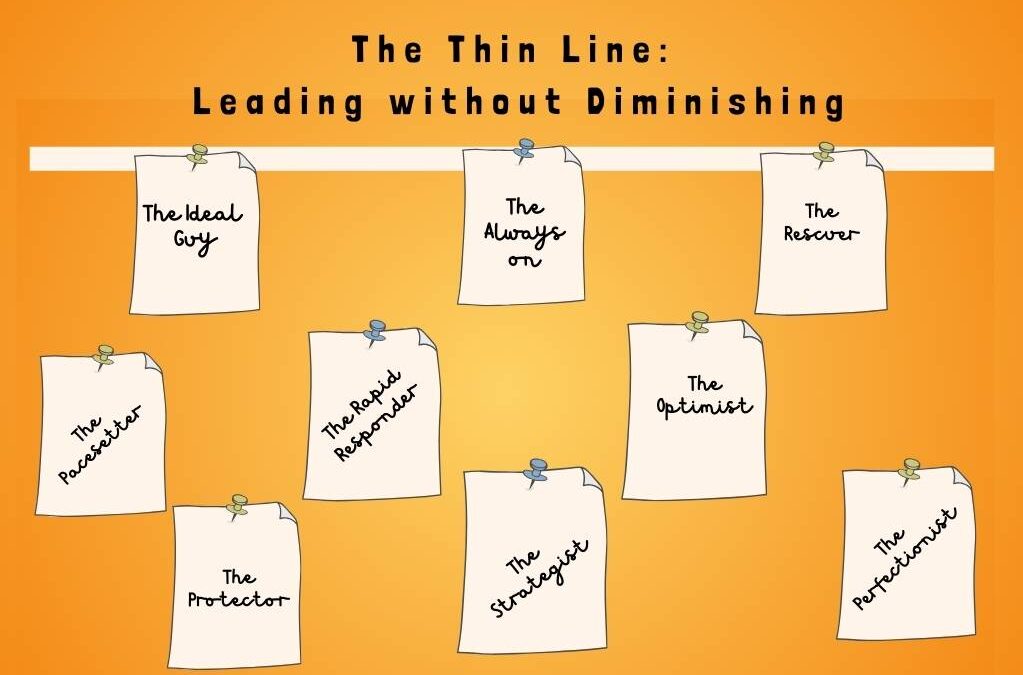
Accidental Diminishers come in various forms, each distinct in how they unintentionally shadow the potential of those they lead. Gain insight into their manifestations in the workplace and everyday situations.
The Idea Guy
Excitement for innovation is the hallmark of The Idea Guy. They provide their ideas hoping that it will trigger others to contribute their ideas as well. Instead, this leads others to shut down and curl up.
As an agile coach, I often see top leaders unknowingly overshadowing their team’s voices. A true leader encourages diverse perspectives and empowers their team to explore different angles. Instead of always being the first person to share an idea, try fostering a culture of shared decision-making through collaborative brainstorming sessions where everyone has a voice and ownership in the process.
The Always on
The Always on are always engaged. They bring brilliance and a rigorous presence to the room, spilling out a continuous stream of energy with hopes that others follow. Yet, their very brilliance often overshadows others, filling the room until there’s little air left for others to breathe their own creativity.
Effective workplace leaders maintain high engagement by being accessible to their teams at all times. While their intentions are good, this constant availability, such as responding to emails at 1am, or promoting your own availability without any offline/downtime hours, can inadvertently create pressure for team members to match the leader’s schedule. This may result in sacrificing personal time, ultimately leading to burnout if sustained long-term.
The Rescuer
With the noblest of intentions, The Rescuer abhors the sight of struggle or failure in their teammates. Yet, it is through these very struggles that growth takes root. By swooping in prematurely, this leader ensures their team’s wings remain underdeveloped, and they are unable to truly soar to heights of their true potential.
Imagine a parent always stepping in to assist their child, like picking them up when they stumble or giving them the answers to their homework. My child’s algebra teacher once suggested a different approach to parents. Rather than just giving the solution to algebra problems, ask your child about their understanding of the problem, brainstorm ideas together, and explore potential solutions. This strategy fosters problem-solving skills that are crucial not only in math but also in future careers. Encourage independence and critical thinking for long-term success!
The Pacesetter
The one exemplifying the organization’s values and setting the standard of achievement often sprints ahead, believing they accelerate progress. However, The Pacesetter may not see the team lagging behind, breathless and struggling to keep up, reduced to mere spectators in a race they once ran together.
In “Multipliers”, Wiseman shares her own experience as an unintentional diminishing leader with her own son. She used to have short sprinting races with him. On some occasions, she would dash off with her adult pace and be ahead, but only to find out that her son had quit trying early on. By understanding the importance of setting the right pace for your team, leaders can prevent demotivation and foster growth effectively.
Note to those dealing with Accidental Diminishing leaders: Transforming by Understanding and Collaborating
Encountering an Accidental Diminisher is not an end; rather, it is an opportunity veiled as a challenge—a chance to transform interaction into a positive one. Rather than harboring judgment or confrontations, foster cooperation. When diminishing behavior surfaces, empower yourself by choosing your response wisely.
Embrace curiosity as your guiding light: Resist the temptation to vent frustration or give up entirely. Recognize that Diminishers often have no idea of their impact.
Reconstructing Perceptions: seek to understand their point of view and employ active listening, thus opening doors for communication rather than confrontation.
Embrace potential outcomes: Show trust, and respect, and leave room for individual expression in their reactions and the time for the leader to adjust their behavior based on feedback from you and/or the team.
The Rapid Responder
Valuing agility and swift action, The Rapid Responder jumps on challenges, troubleshooting with speed. Sadly, this can lull the team into a sense of lethargy, trusting that ‘someone is on it’, thus depriving them of the initiative to act.
Take this scenario as an example: whenever a problem or issue is brought up, the more senior team members immediately provide a solution or explanation. This does not necessarily help create organizational capability/growth because the more junior team members are not challenged or triggered to analyze and come up with their own ideas to solve or explore the problem. It creates a reliance on the senior team members, who tend to become bottlenecks because the team ends up relying on their expertise. For leaders or more senior team members, it is ok to allow for those awkward silences in a team discussion. This gives the more junior team members, or people other than the leader, to digest the information and formulate their own thoughts.
The Optimist
Valuing agility and swift action, The Rapid Responder jumps on challenges, troubleshooting with speed. Sadly, this can lull the team into a sense of lethargy, trusting that ‘someone is on it’, thus depriving them of the initiative to act.
Take this scenario as an example: whenever a problem or issue is brought up, the more senior team members immediately provide a solution or explanation. This does not necessarily help create organizational capability/growth because the more junior team members are not challenged or triggered to analyze and come up with their own ideas to solve or explore the problem. It creates a reliance on the senior team members, who tend to become bottlenecks because the team ends up relying on their expertise. For leaders or more senior team members, it is ok to allow for those awkward silences in a team discussion. This gives the more junior team members, or people other than the leader, to digest the information and formulate their own thoughts.
The Protector
Safety is the primary concern of The Protector, shielding their team from the harsh political winds. In the shelter of their benevolence, team members remain fledglings, never learning to withstand the storms on their own.
I had once experienced the downside of having a well-meaning Protector manager. When that manager, who had expertly shielded me from the internal complexities and challenges of our organization, suddenly left, I was thrust into the fray with little preparation for what was to come. This abrupt transition left me unprepared for the realities of leading within a complex and bureaucratic organization. At one point, I thought to myself: “What did I get myself into?” The experience was a hard-earned lesson in the importance of broader organizational awareness and adaptability, serving as a good reminder of the delicate balance between protection and preparation in leadership.
The Strategist
Bold visions and compelling reasons to evolve are the fortes of The Strategist, whose plans shimmer with promise. Yet, sometimes, this leaves team members on the sidelines, second-guessing rather than proactively spearheading change.
Meet Eddy, the powerhouse behind her organization’s Digital Transformation (DT) initiative. Under immense pressure to accelerate the Time-to-Market process for software delivery, he took charge and orchestrated the entire strategy himself. To execute the strategy, Eddy assigned tasks and activities to the teams thinking that it will move the process faster. As the sole decision-maker for all activities within the DT initiative, when Eddy was away or unavailable to answer questions, the initiative came to a halt as the team awaited his return.
The Pefectionist
Lastly, The Perfectionist aspires to refine their team’s output to flawless gleams but may inadvertently rub away their confidence. The crushing weight of constant critique can drain motivation, leading to a hesitancy to try.
Everyone has the intention of doing a good job. On some occasion leaders can go as little overboard in providing feedback to the point of dictating or nitpicking: focusing on a report’s insight than worrying about the color of the charts, always incorporating a critique on the teams’ outcome, asking the team to incorporate your thoughts as what you think is the only standard for’what good looks like’. This can dampen the team’s enthusiasm and confidence, which discourages initiative and taking risks.
Unlock Your Potential: The Path to Empowering Leadership
Becoming a great leader is an ongoing journey of growth and development. It’s crucial to be aware of how your actions can inadvertently impact those around you. Strive to be a catalyst for intelligence and capability within your team. True leadership isn’t about hogging the limelight; it’s about shining it on others, helping them reach their full potential. It is your responsibility to ensure that your actions inspire, uplift, and empower others instead of stunting their growth.
The key lies in awareness. Seek feedback from others to gain insight into how your leadership style is perceived. Create a culture where team members feel comfortable providing feedback through various channels, including anonymously. By cultivating awareness and making a conscious effort, you can avoid, if not eliminate, accidental diminishing behaviors and foster an environment where everyone feels empowered and amplified.
Here’s to a future filled with impactful leaders, thriving teams, and positive change in the world. Join the Movement:
Does your organization have a feedback system in place?
How do you ensure all voices are heard without fear of reprisal?
What steps are you taking to continually improve as a leader?
Together, let’s embark on this empowering journey towards transformative leadership.
TPM, Scrum Master, portfolio management. Although I’ve been living and breathing this world these past several years, it may all sound like jargon to you. I would have never imagined that I would be in the position that I’m in today. Why? Well, I was extremely shy in college and dreaded any class that revolved around participation points or Socratic discussion. I could go on, but that’s a tale for another day…
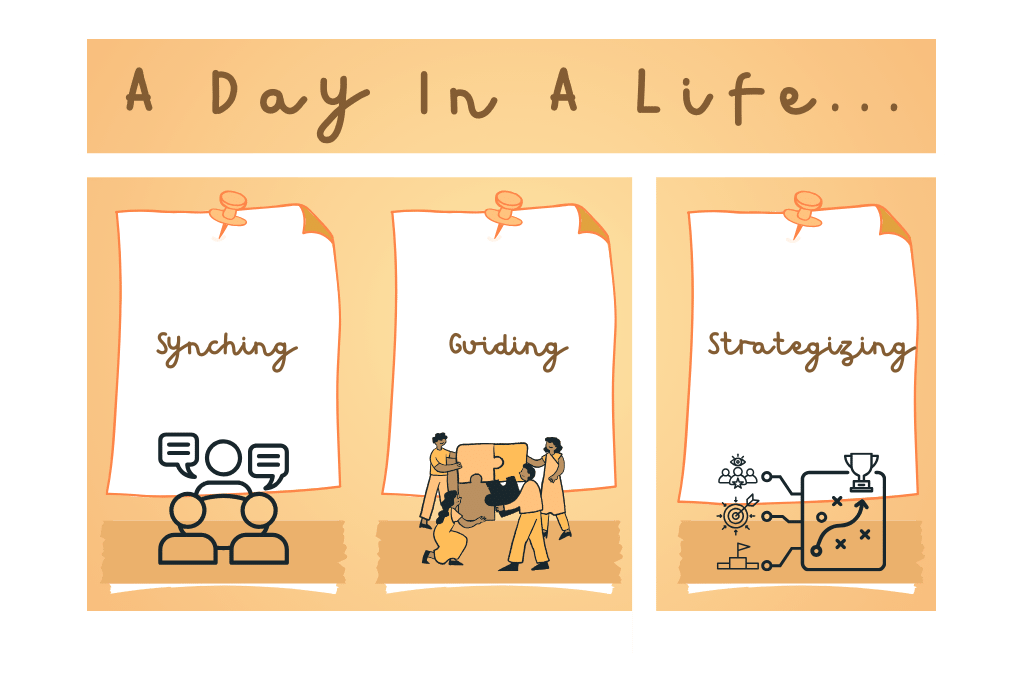
Instead, today, I’m going to bring you into my world and give you a taste of the day in the life of a technical program manager (TPM). Note that every company and even different departments within a single organization may have a different view of the roles and responsibilities of a TPM. However, I like to think that this role can be broken down into three parts.
Synching
Guiding
Strategizing
Also, I don’t have a clear definition of a TPM. I’ll leave it up to you to summarize your findings based on what you read here and see across the various industries. This role has quite a bit of ambiguity. Those that do well excel at taking initiative, managing relationships, and organizing information. If you’d like to learn more, be sure to comment below!
Part I: Synching
My mornings are busier than most since I work with a global team. Therefore, I usually meet with my counterparts and delivery teams to understand where we are in achieving our commitments. If I prepare well, I will also meet with TPMs we have dependencies with to ensure we resolve any conflicts and align on any changes to the timeline.
Beyond the work itself, synching aims to grow technical expertise and strengthen relationships among my various team members. This could be done by reviewing a bug and understanding its root cause. Or, we could just take the first few minutes to be human and share anything that’s on our minds and take us away from our work. Since we have such a short time together, we must come together with a purpose.
Part II: Guiding
Hence, the bulk of my job revolves around guiding my leaders and teams. Guiding can take on many forms. I could facilitate a technical discussion between multiple, cross-functional teams on integrating our applications. On other days, I’m coaching our leadership teams and providing recommendations on improving employee engagement or our product. Then on other days, I’m representing our team and providing the pros and cons of our technical solution and why it’s the best path forward.
Each day is different. It all depends on the needs of my teams and our products. I have to listen closely and assess the verbal and non-verbal cues–which can be tricky in a hybrid and global environment–and decide what action to take. This means I could fall back and let my tech lead drive the discussions or step up and challenge our thinking.
Part III: (Reflecting and) Strategizing
Given that I started as a scrum master before entering program management, I have a stronger-than-usual relentless improvement mindset. After lunch, I review the notes from my morning engagements and take note of any relationships I need to improve, processes to simplify, or escalations. If I miss a meeting, I’m one of the few that goes back through a recording! Why? Often, I want to make sure I understand the decisions that were made especially if they revolve around architectural design.
After that, I spend the rest of the afternoon building plans that support the improvement of work execution and delivery. I also check in with various people to refine my recommendations, manage delivery expectations, or get feedback. It is a bit tricky because I work with folks in Europe. By the afternoon, they are well into their bedtime, so I try to provide offline updates and look for ways to improve communication.
At the end of the day, I usually take a step back and check in to see how my work aligns with my team’s overall goal. From there, I find 1-2 items to focus on the next day and then enjoy my evening.
In conclusion
In the end, this is one of the many different ways a TPM goes about his or her day. For me, it’s all about providing my technical expertise to ensure that my teams deliver value as effectively as possible. There are some days I lean more into the coaching, while on other days I’m working with stakeholders to determine the best path forward. The variety is what makes it challenging and interesting.
Curious to learn more? Be sure to check out our InBiteSize podcast or learn how we’re expanding our toolkit through books.