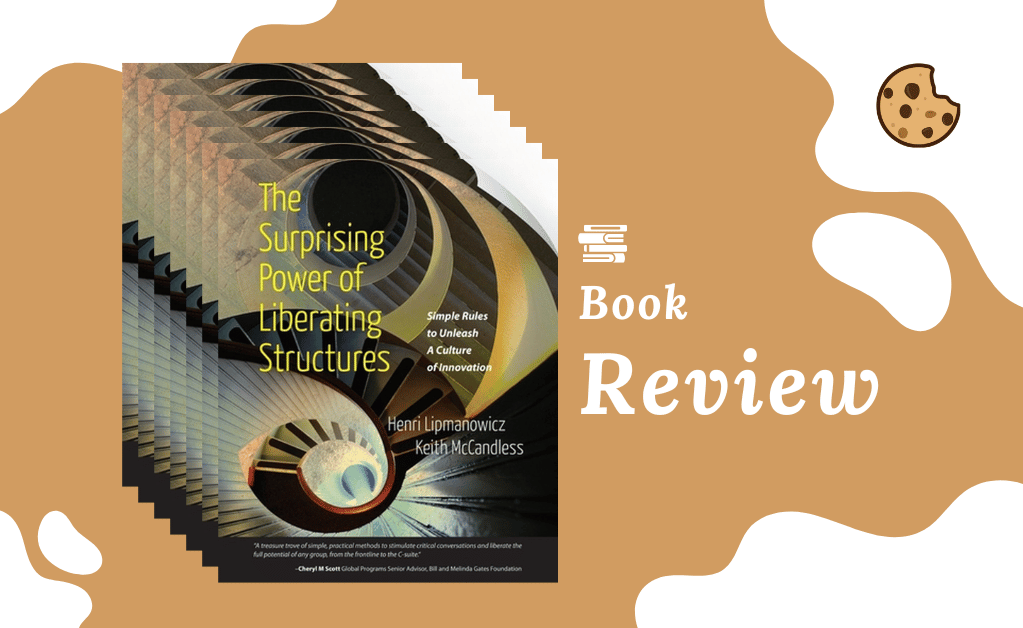
Are your meetings falling flat? Do your brainstorming sessions feel chaotic and unproductive? Many organizations struggle with collaboration, often stuck between rigid, top-down presentations and unstructured, open discussions. “The Surprising Power of Liberating Structures: Simple Rules to Unleash a Culture of Innovation” by Henri Lipmanowicz and Keith McCandless offers a powerful alternative. This book is more than a one-time read; it’s a reference guide you’ll return to again and again to transform how your teams interact, innovate, and achieve results together.
This review will explore why this book is an essential resource for leaders, managers, and consultants. We will look at its overall message, break down how the content is structured, and highlight the key takeaways you can apply immediately. You’ll discover how these simple methods can foster a culture of inclusion, trust, and genuine engagement.
An Essential Toolkit for Modern Leaders
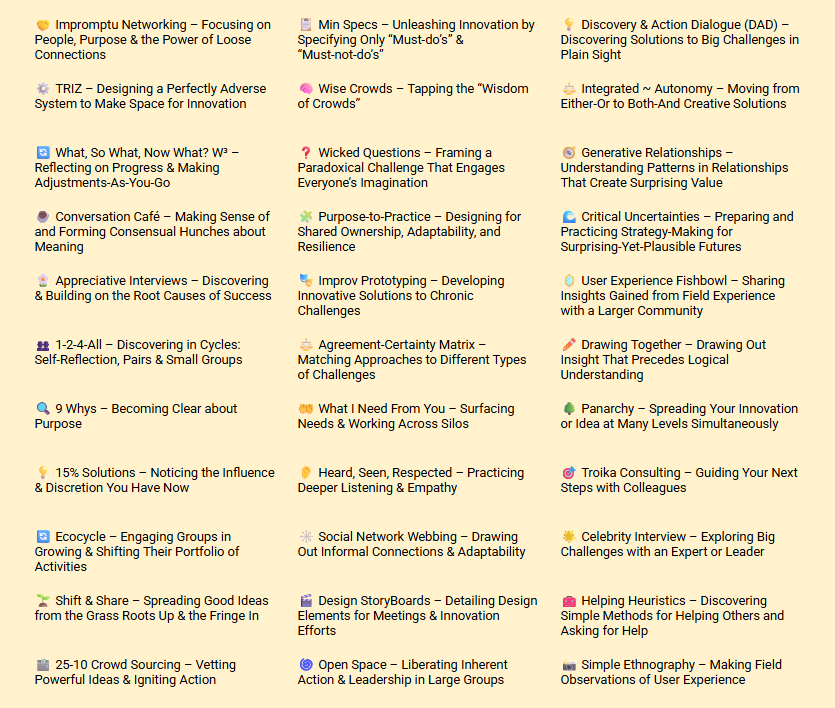
The Surprising Power of Liberating Structures” is more than just a book; it’s a manual for revolutionizing group dynamics. The authors provide a clear and compelling case for why conventional meeting formats often fail to tap into the collective intelligence of a group. More importantly, they offer a collection of 33 practical step-by-step methods—the Liberating Structures—to fix this.
The Surprising Power of Liberating Structures
This book is a valuable resource for every leader as it explains how to boost engagement and achieve better results in group settings. It provides clear, step-by-step instructions for 33 “Liberating Structures”—simple rules for interaction—and guides you on when to apply each one. The core idea is to foster deep inclusion and trust, empowering every voice in the room to unlock hidden solutions and ideas.
How the Book Is Structured
Lipmanowicz and McCandless have organized the book for maximum usability. It’s designed to be a resource you can return to again and again as you face different challenges.
The Case for a New Approach
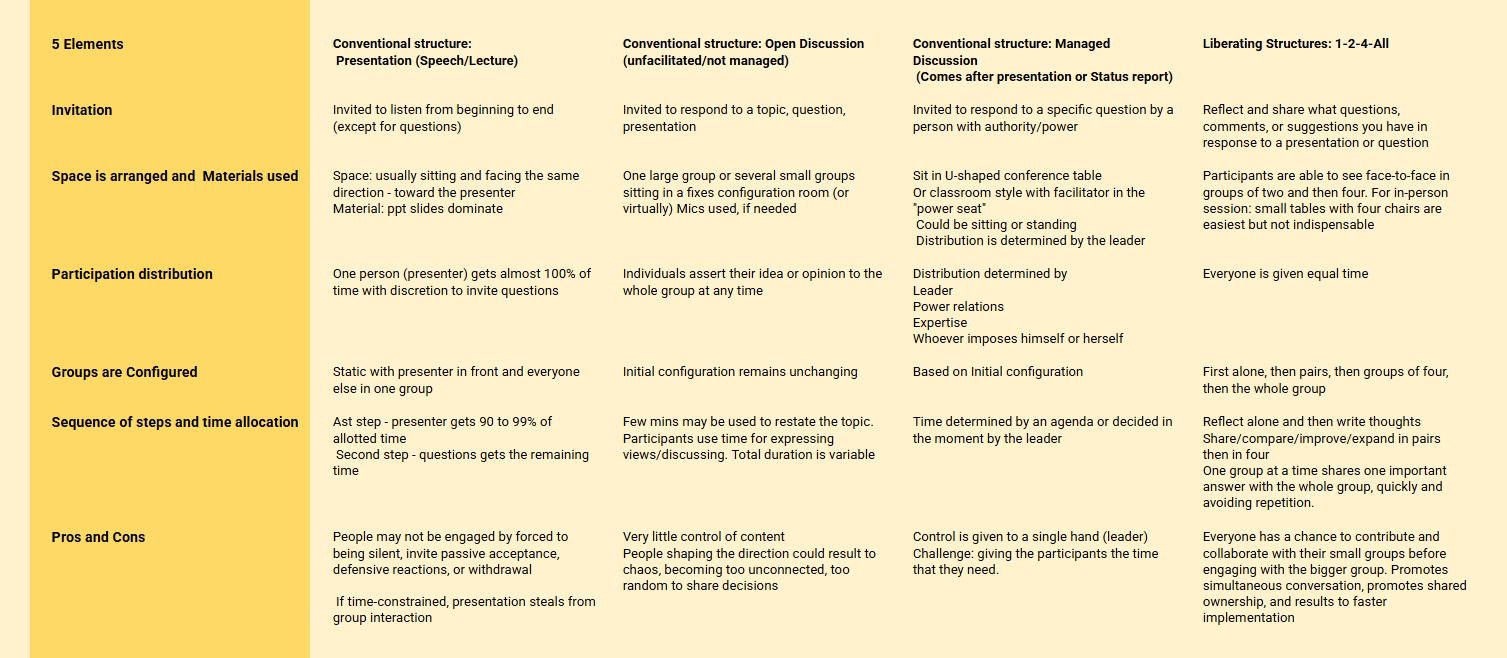
The book begins by explaining the shortcomings of traditional methods. It contrasts the “too tight” control of presentations and managed discussions with the “too loose” nature of open brainstorming. These conventional approaches either stifle participation or lead to chaos, often allowing the loudest voices to dominate.
Introducing Liberating Structures
Next, the authors introduce the concept of Liberating Structures. These are “microstructures”—small, simple rules for interaction that can be used for any purpose, from strategy development to daily check-ins. The book explains who can use them (everyone!) and how they distribute control, ensuring all participants can shape the direction of the conversation.
A Field Guide to Transformation
The heart of the book is a detailed guide to each of the 33 Liberating Structures. Each one gets its own section, complete with a clear purpose, step-by-step instructions, and tips for effective facilitation. This format makes it easy to find the right tool for your specific need, whether you’re trying to generate ideas, make a decision, or build shared understanding.
Advanced Applications and Use Cases
Finally, the book explores how to combine Liberating Structures into “strings” for more complex challenges. It provides sample use cases and StoryBoards, showing how these simple tools can be sequenced to tackle sophisticated organizational problems. This section demonstrates the versatility and scalability of the approach.
Key Takeaways from the Book
The power of Liberating Structures is not just surprising; it’s infectious. When people experience meetings that are both structured and liberating, they feel energized and want to work this way more often. Here are some of the most important lessons from the book.
Why Conventional Methods Fail
Our typical ways of interacting in groups fall into two traps.
Too Tight: Formats like presentations, status reports, and managed discussions are overly controlling. They limit participation, give one person all the power, and make it impossible to get diverse input.
Too Loose: Open discussions and unstructured brainstorming can be just as ineffective. They often favor the “HIPPO” (Highest Paid Person’s Opinion), lack clear purpose, and can quickly become chaotic and disengaging.
What Liberating Structures Really Are
Liberating Structures are simple methods designed to improve performance by including and engaging everyone. The secret is to stop talking about changing and just do it. Start small and slowly scale through the methods. They work by subtly shifting control of the content to all participants, fostering collaboration in organizing, problem-solving, and decision-making.
When these structures become part of an organization’s daily life, ten key principles emerge:
Include and unleash everyone.
Practice deep respect for people and local solutions.
Build trust as you go.
Never start without a clear purpose.
Learn by failing forward.
Practice self-discovery within a group.
Amplify freedom and responsibility.
Emphasize possibilities: believe before you see.
Invite creative destruction to make space for innovation.
Engage in seriously playful curiosity.
How to Start Using Liberating Structures
perhaps with a small, trusted group, and experiment with one of the structures. The book encourages you to let people experience the difference rather than debating it endlessly.
The path to fluency is accessible to everyone. Senior leaders can invite their teams to try, but should never impose it. Managers and individual contributors can start small, weaving microstructures into their regular meetings. Consultants can introduce them to clients, building expertise and scaling up as they go.
Every Liberating Structure is built and implemented with these five elements:
An Invitation: A question or request that frames the purpose.
Space Arrangement: How the physical space and materials are set up.
Participation Distribution: How time and voice are distributed among participants.
Group Configuration: How people are grouped and re-grouped.
Sequence and Time: The steps involved and the time allocated for each.
Lipmanowicz and McCandless offer a comprehensive guide for each structure, including application instructions, recommended scenarios, and real-world examples from diverse organizations. By making subtle adjustments to these elements, you can profoundly alter the outcome of any interaction. For instance, the book provides a quick example of a professor who revolutionized his class simply by having his students sit in a circle instead of traditional rows.
Figure 2.0 – Summary of the elements of conventional methods vs. a Liberating Structure
Final Thoughts
“The Surprising Power of Liberating Structures” is a must-read for anyone who believes in the power of collaboration. It offers a clear, actionable, and inspiring path toward creating a culture of innovation, trust, and shared ownership. By providing simple rules to guide interaction, these structures make it easy to unleash the collective intelligence of any group. If you’re ready to move beyond unproductive meetings and unlock your team’s true potential, this book provides the tools you need to start today.
About the author
As an Agile Evangelist, Rochelle Tan has over 20+ years of experience in agile transformation with small to large organizations from various industries in North America and Asia: Oil and Gas, IT, Healthcare, Finance, Insurance, and Government.
CEOs don’t operate in silos. They architect productivity frameworks that leverage technology, organizational expertise, and sustainable structures to drive results. Yet many leaders find themselves trapped in “hustle culture”. Although it can deliver short-term results, it’s not a sustainable strategy. True leadership isn’t about running a perpetual sprint; it’s about building a machine that can run a marathon. It’s time to shift from frantic activity to strategic productivity that respect human capabilities while amplifying collective impact.
This guide explores the transition from traditional, exhausting productivity methods to modern, scalable strategies. We’ll examine why the old ways fail and how to build a company that grows through smart systems, not just sheer effort. By embracing strategic productivity, you can increase output, reduce burnout, and position your organization for long-term success.
The Flaws of Traditional Productivity
For decades, the accepted wisdom for getting more done was simple: do more. This approach, rooted in the industrial age, treats time and effort as the primary inputs for success. While dedication is crucial, relying solely on it leads to significant problems.
The Trap of Long Hours and Micromanagement
The traditional model often manifests in a culture where long hours are a badge of honor. Leaders might find themselves trapped in a cycle of micromanagement, believing that direct oversight of every task ensures quality. This hands-on approach might feel productive, but it creates bottlenecks. When every decision must pass through the CEO, the entire organization slows down.
This method also fosters reactive decision-making. Instead of working from a strategic plan, leaders spend their days putting out fires. Each new problem demands immediate attention, pulling focus away from high-impact activities like strategy, innovation, and culture-building. The result is a team that is always busy but not necessarily productive, and a CEO who is exhausted but not effective.
The Inevitable Burnout
The most significant consequence of hustle culture is burnout. When employees are consistently pushed to their limits, their engagement, creativity, and overall well-being suffer. High turnover becomes a risk, as talented individuals seek healthier work environments. This isn’t just a personnel issue; it’s a financial one. The cost of recruiting, hiring, and training new employees far outweighs the investment in creating a sustainable work culture.
For the CEO, this path leads to decision fatigue and a loss of strategic vision. When you spend all your energy on the day-to-day grind, you have nothing left for the big-picture thinking that only you can provide.
Embracing Modern, Scalable Productivity
Strategic productivity is about achieving more by working smarter, not just harder. It’s a shift from managing people to designing systems. Instead of being the engine, the CEO becomes the architect of the engine. This approach focuses on creating processes and leveraging tools that allow the team to operate efficiently and autonomously.
Measure What Matters
A core principle of a sustainable productivity strategy is measuring what truly matters. Organizational leaders must look beyond just revenue as the sole indicator of success. Focusing on a healthy mix of metrics—such as revenue growth, quality of output, speed of delivery, diversity of projects, and employee happiness—fosters a more balanced and resilient business. When teams understand that success is measured by impact, innovation, and well-being, not just numbers on a spreadsheet, they are empowered to pursue excellence and sustainable growth from all angles.
Prioritize and Delegate with Purpose
A common leadership failure is trying to do everything. Strategic productivity demands ruthless prioritization. Use frameworks like the Eisenhower Matrix to categorize tasks by urgency and importance. Focus your energy on what is important but not necessarily urgent—these are the strategic activities that drive long-term growth.
Effective decentralization is the other side of this coin. Once you’ve built reliable systems, you can confidently hand off responsibility. Delegation isn’t just about offloading work; it’s about empowering your team. You can even entrust the team with the responsibility of designing and implementing the systems. When you entrust employees with meaningful endeavors, you foster a sense of ownership and professional development. This frees you to concentrate on your most critical responsibilities: setting the vision, securing resources, and building key relationships.
Build Systems, Not Just Tasks
The core of scalable productivity is system design. A system is a repeatable process that produces a consistent result. Think about the onboarding process for a new client or the steps for launching a marketing campaign. By documenting and standardizing these workflows, you eliminate guesswork and ensure quality, regardless of who is performing the task.
Start by identifying recurring activities in your business. Work with your team to map out the most efficient way to complete them. This creates a playbook that empowers your team to act without constant supervision. For example, a documented sales process ensures every lead receives the same high-quality experience, turning a variable activity into a predictable system.
Leverage Technology and Automation
In today’s landscape, technology is a powerful ally in building scalable systems. Automation tools can handle repetitive, low-value tasks, freeing up human capital for more creative and strategic work.
Consider the areas of your business that are ripe for automation:
Marketing: Automate email sequences, social media posting, and lead nurturing.
Operations: Use artificial intelligence to streamline meeting notes and action item identification.
Finance: Implement tools for automated invoicing, expense tracking, and financial reporting.
Implementing these strategies requires more than just new tools; it demands a cultural shift. As the CEO, you set the tone. Your actions and values will determine whether the organization truly embraces a new way of working.
Lead by Example
If you want your team to stop glorifying long hours, you must be the first to do so. Leave the office at a reasonable time. Take your vacation days. Talk openly about the importance of rest and focus. When your team sees you prioritizing strategic work over busywork, they will follow your lead.
Encourage Empowerment and Innovation
Create an environment where employees feel safe to suggest better ways of doing things. Reward team members who find ways to streamline processes or automate tasks. This fosters a mindset of continuous improvement, where everyone is invested in making the organization more efficient.
Focus on Outcomes, Not Hours
Shift your measurement of success from hours worked to results achieved. Set clear goals and key performance indicators (KPIs) for your team, then give them the autonomy to figure out the best way to reach them. This outcome-oriented approach builds trust and encourages creative problem-solving. It demonstrates that you value their contribution, not just their presence.
Your Next Steps Toward Strategic Leadership
Moving from a hustle-driven mindset to a system-driven one is a journey, not an overnight switch. It requires patience, discipline, and a genuine commitment to building a sustainable and scalable organization.
Start small. Pick one recurring process in your business and work with your team to systematize it. Identify one repetitive task you can automate. Delegate one responsibility you’ve been holding onto for too long. Each small step builds momentum and demonstrates the power of this new approach.
By embracing strategic productivity, you do more than just improve your own effectiveness. You build a resilient, efficient, and empowered organization capable of thriving in any environment. You stop just leading a team that hustles and start designing a system that scales.
About the author
As an Agile Evangelist, Rochelle Tan has over 20+ years of experience in agile transformation with small to large organizations from various industries in North America and Asia: Oil and Gas, IT, Healthcare, Finance, Insurance, and Government.
Setting goals is easy, but achieving them efficiently? That’s a different game entirely. Measure What Matters by John Doerr provides a compelling reason of using OKRs (Objectives and Key Results) to improve focus and achieve goals. While initially rooted in the tech business environment of industry giants, like Google and Intel, Doerr makes a strong case for why this system is universally applicable to businesses of all sizes.
If you’re a business leader, entrepreneur, or manager looking to build alignment, prioritize effectively, and drive results, this book belongs on your reading list. Here’s why.
What is an OKR, and Why Does it Matter?
At its heart, an OKR is a goal-setting framework designed to drive alignment across entire organizations. OKRs consist of Objectives (what you want to achieve) and Key Results (how you measure progress toward your goal). It’s not just about hitting targets; the OKR system ensures that every action feeds into a company’s broader mission.
The beauty of OKRs is their adaptability. They’ve been embraced far beyond Silicon Valley, proving effective across industries and teams. Doerr’s book highlights how companies, big and small, can use these focused, measurable goals to replace outdated annual performance review systems and usher in a culture of continual improvement.
Underrated virtue? Unlike rigid goal-setting strategies, OKRs are dynamic, allowing teams to adapt and refine goals as circumstances evolve.
Annual Performance Management
Continuous Performance Management
Annual feedback
Continuous feedback
Tied to compensation
Decoupled from compensation
Directing/autocratic
Coaching/democratic
Outcome focused
Process focused
Weakness based
Strength based
Prone to bias
Fact driven
Why This Framework Is Effective
Improved Alignment and Fulfillment
How often do employees understand how their daily tasks contribute to the overarching goals of a business? Measure What Matters tackles this head-on by ensuring employees see how their work aligns with organizational objectives. Clarity and purpose lead not just to better results but also to greater job satisfaction.
Culture That Inspires Action, Not Compliance
A result-driven culture, with OKR’s, doesn’t feel like a rulebook dictating what you can or cannot do. It empowers people to focus on what they should do. It’s not about micromanaging but about inspiring teams to take initiative and do the next right thing.
Performance Rooted in Real-Time Feedback
Through CFRs (Conversations, Feedback, Rewards), Doerr advocates for continuous performance management. It’s a shift from static annual reviews toward real-time interactions that keep teams agile. Weekly or monthly touchpoints between team members and managers, quick feedback cycles, and employee pulse surveys fuel this engine while surfacing critical questions, like:
Is this goal still relevant and motivating?
Does it need adjustment?
Should we double down on aspects that worked or pivot altogether?
This approach strengthens employee engagement and operational efficiency.
Encourages Teams to Take Bold Risks
OKRs are designed to inspire ambition and encourage risk-taking. They’re not to be achieved 100% of the time. Instead, they should challenge teams to push their limits, fostering innovation and growth. However, it’s crucial to strike a balance. Setting goals that are too unrealistic can lead to frustration and disengagement. The true purpose of OKRs is to create a safe space for teams to stretch their capabilities and take risks without fear of failure. This approach only works if achieving OKRs is not directly tied to performance evaluations or compensation; otherwise, teams may resort to setting overly conservative goals, defeating the purpose entirely.
touchpoints between team members and managers, quick feedback cycles, and employee pulse surveys fuel this engine while surfacing critical questions, like:
Is this goal still relevant and motivating?
Does it need adjustment?
Should we double down on aspects that worked or pivot altogether?
This approach strengthens employee engagement and operational efficiency.
Questions
that support the OKR environment and establishing and maintaining a healthy workplace culture.
John Doerr credits the late Andy Grove, former CEO of Intel Corp, for introducing him to OKRs and demonstrating their impact in action. Doerr admired how OKRs foster collective accountability, encourage bold risk-taking, and drive measurable achievements—qualities deeply valued at Google.
Google’s Project Aristotle, an internal study analyzing 180 teams, found that standout performance was strongly linked to positive responses to these five key questions:
Structure and clarity: Are goals, roles, and execution plans on our team clear?
Psychological safety: Can we take risks on this team without feeling insecure or embarrassed?
Meaning of work: Are we working on something that is personally important for each of us?
Dependability: Can we count on each other to do high-quality work on time!
Impact of work Do we fundamentally believe that the work we’re doing matters?
Tips for Implementing OKRs Effectively
1. Universal Deployment
OKRs are not just for managers or specific teams. Success lies in universal adaptation across your organization. Everyone in the organization, from leadership to frontline employees, should understand the why behind this framework and see its positive impact. Leadership buy-in is critical. Doerr highlights the importance of management leading by example to show their teams that OKRs are more than a box-ticking exercise.
2. Use CFRs to Revolutionize Performance Management
Replace outdated annual review systems with CFRs. By offering real-time feedback and fostering ongoing conversations, businesses can continuously improve and innovate. Weekly or monthly employee check-ins supplemented with pulse surveys can unearth insights that shape strategy and execution.
3. Measure What Counts
Borrowing from Albert Einstein’s timeless wisdom, Doerr emphasizes that “not everything that can be counted counts, and not everything that counts can be counted.” Effective OKRs must drive the right behaviors, resulting in measurable achievements that align with the company’s larger goals. Key results shouldn’t just focus on activity but target impactful results.
4. Track and Adapt
A critical lesson from the book is that OKRs are not a “set and forget” system. Circumstances change. Goals evolve. Success involves tracking, reviewing, and revising objectives to ensure continuous relevance and motivation.
The Common Pitfalls and How to Avoid Them
Some organizations start implementing OKRs and fail because they approach them as a “check the box” exercise. This is where culture becomes key. Businesses must foster a culture where individuals own their OKRs and believe in their purpose. Tools and systems are invaluable assets but secondary to driving collective behavioral and cultural change.
Additionally, you may need to make tough decisions. Sometimes this shift involves letting go of individuals resistant to change, as Jim Collins famously said in Good to Great, “Get the right people on the bus.”
Key Example Highlights
Doerr’s case studies bring OKRs to life. By following real-world examples, like Google championing moonshot thinking with OKRs or smaller companies rethinking priorities, readers gain a relatable understanding of how they can apply the framework to their unique circumstances. While most examples highlight success stories, the mention of companies, like Zume, which struggled despite utilizing OKRs, adds a sense of realism and honesty to the narrative.
Final Thoughts
Measure What Matters is a must-read for leaders eager to create a high-performing, aligned, and agile organization. By combining clear objectives, measurable results, and a feedback-driven culture, OKRs redefine how teams work together.
John Doerr doesn’t just present OKRs as a theory; he offers a practical guide and real-life use cases for implementing them effectively, helping businesses break free from outdated management practices. If you’re ready to take the leap toward improved outcomes and engaged teams, this book is your roadmap.
Call to Action
Want to achieve measurable results and revolutionize your team’s performance? Start aligning your goals with purpose. Give OKRs a shot, and if you need expert guidance, we’d love to help you implement this game-changing system. Reach out today for more insights!
About the author
As an Agile Evangelist, Rochelle Tan has over 20+ years of experience in agile transformation with small to large organizations from various industries in North America and Asia: Oil and Gas, IT, Healthcare, Finance, Insurance, and Government.
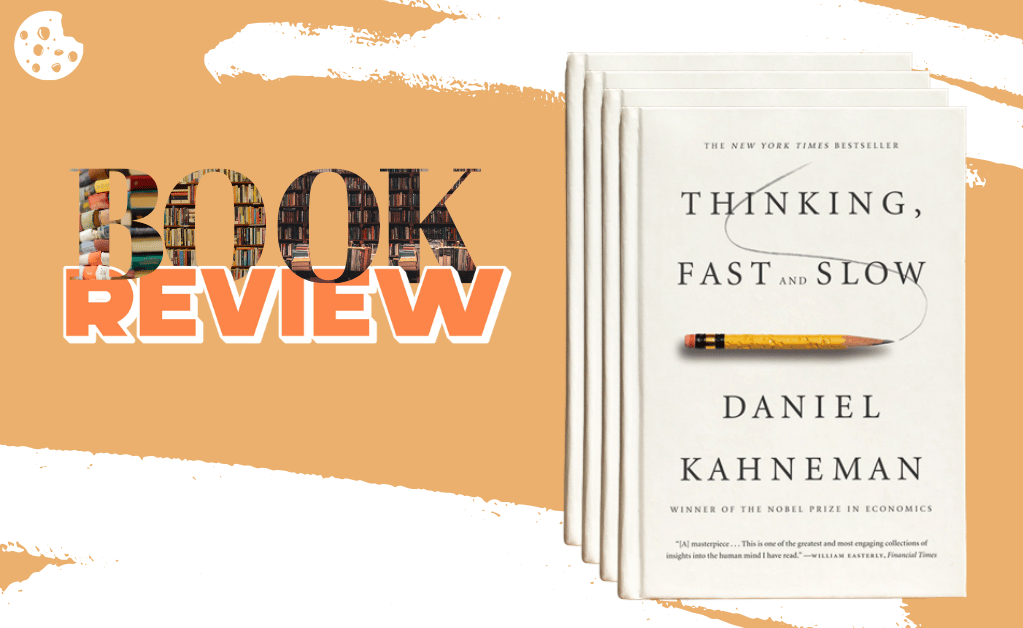
Picture yourself taking a test where the questions are printed on clean, easy-to-read paper. Next, imagine taking the same test, but the questions are printed on faint, smudged letters. Which one would help you perform better? Surprisingly, research shows that the harder-to-read paper activates your “System 2” thinking—slower, more deliberate, and analytical—leading to fewer mistakes. This counterintuitive insight is just one of the many fascinating findings explored in Daniel Kahneman’s Thinking, Fast and Slow. Written by the Nobel Prize-winning psychologist, this book dives deep into how our minds operate, from the snap judgments of System 1 to the reflective reasoning of System 2. By understanding these mental processes, leaders and decision-makers can navigate challenges more effectively and make smarter choices.
Key Learnings from the Book
Kahneman introduces a groundbreaking framework for understanding human thought through his concept of “Two Systems”:
Understanding the Two Systems
System 1 operates fast, intuitively, and emotionally. It’s our “gut feeling,” often reactive and prone to errors in judgment.
System 2 is slow, deliberate, analytical, and logical. This system is effortful and takes time (and considered more lazy), often stepping in to correct System 1 but only when we consciously engage it.
Together, these systems explain how we process information and make decisions.
Cognitive Biases Awareness
Kahneman outlines how cognitive biases distort our reasoning. Concepts, like anchoring (over-relying on initial information), the availability heuristic (relying on examples that easily come to mind), and loss aversion (fearing losses more than valuing gains) reveal just how fallible human judgement can be.
Impact of Framing
Kahneman demonstrates that how information is framed dramatically affects decisions. For instance, people may make different choices depending on whether an outcome is presented in terms of potential gains versus potential losses, even if the underlying facts are the same.
Overconfidence and the Illusion of Control
Leaders are often prone to overestimating their abilities or control over situations. This habit leads to risky decisions that may not be grounded in reality. Control is only applicable and can be expected if the work or situation is stable and has a repeatable pattern. This principle challenges so-called financial experts, who claim to be able to predict the stock market. This claim is analogous to someone who can confidently and accurately predict the weather.
The Importance of Statistical Thinking
Kahneman advocates for applying statistical reasoning instead of overly relying on intuition or gut-feel. Data-driven, objective analysis often produces results that System 1’s instincts miss. The author explains the concept of “regression to the mean,” where extreme outcomes naturally return closer to the average, often misunderstood as the effect of interventions. Kahneman also challenges the overemphasis on individual influence, such as attributing a company’s success solely to its CEO, as outcomes are shaped by a mix of factors, including chance. By relying on data and avoiding instinct-driven interpretations, decision-makers can achieve more accurate and objective insights.
Applications in Organizational Decision-Making
The principles of Thinking, Fast and Slow are deeply relevant to business leaders and organizations. Here’s how these lessons can be applied:
Clear and Concise Messaging
Leverage System 1 thinking by communicating corporate goals and objectives in a way that’s intuitive and easy to recall. For example, concise mission statements help create mental “anchors” for teams, leading to alignment and shared focus.
Bias Mitigation in Decision-Making Recognize and counter cognitive biases during strategic planning. For example, encourage diverse perspectives in meetings to avoid overreliance on one anchor point or availability bias.
Use of Data for Sound Decisions
Instead of relying solely on instinct, promote statistical and evidence-based thinking to assess risks and probabilities objectively. Teams armed with data are less likely to succumb to the errors of intuitive judgement.
Awareness of Framing Effects When presenting initiatives or changes, frame communication effectively. For instance, employees often respond better to phrasing that emphasizes potential gains (“These improvements can boost productivity by 20%”) rather than losses (“Failure to adapt might result in inefficiencies”).
Encouraging Deliberate Thinking
Train teams to pause and engage their System 2 thinking for high-stakes decisions. Implement structured decision frameworks and provide time for careful analysis instead of hasty reactions. Keep in mind that people often default to System 1 thinking without realizing it. Building awareness of this natural tendency allows individuals to recognize the warning signs and train themselves to approach decisions more mindfully.
Boosting Collective Alignment Reduce complexity where possible. Use Kahneman’s insights to design processes and workflows that accommodate both intuitive and deliberate thinkers to encourage inclusive and actionable strategies.
Why Business Leaders Should Read This Book
Kahneman’s insights are invaluable for business leaders, organizational strategists, and decision-makers. While “Thinking, Fast and Slow” is dense and at times a bit dry, it’s filled with profound takeaways and relatable examples. The book not only reveals the flaws in human reasoning, but also provides practical tools to help readers identify and overcome them. From fostering high-performing teams to making data-driven decisions, this masterpiece offers a deeper understanding of the cognitive processes that shape both daily operations and long-term strategies.
Final Thoughts
At its core, Thinking, Fast and Slow is a guide to better thinking—for yourself, your teams, and your organization. It’s a wake-up call for today’s business leaders to approach decision-making with greater awareness and precision. The concepts in this book have the power to transform how organizations approach everything from hiring to innovation.
If you’re ready to create a culture of smarter, self-aware decision-making and develop a competitive edge based on psychological insights, this book is a must-read. Armed with Kahneman’s wisdom, you’ll not only be able to make more effective choices, but also empower your teams to do the same, paving the way for long-term success.
The modern workplace is evolving quickly, impacting both how we work and what we expect from our careers. Yet, it’s no secret that many organizations face recurring challenges—inefficient communication, burnout, and a lack of career development opportunities are just some of the hurdles that keep teams from thriving.
Enter AI-powered productivity and career coaching. Tools like BloomPath.ai are redefining how businesses can support their teams by taking a more personalized approach to career coaching and driving both productivity and employee engagement. The AI, in BloomPath.ai, is not replacing humans; instead, it’s becoming a collaborative ally in tackling workplace inefficiencies, driving career growth, and fostering stronger teams.
Current Workplace Challenges
Today’s workplace is filled with challenges that can hinder team effectiveness, engagement, and productivity. Here are some of the most common obstacles organizations face.
Communication Barriers: Poor communication leads to missed deadlines, unclear goals, and lower productivity. While tools like Slack and Zoom help, they don’t fully address team communication dynamics. Effective communication requires a complete view of the situation, not just scattered messages or meeting notes.
Inefficient Task Management: Juggling multiple projects, shifting deadlines, and unclear task ownership can overwhelm employees and teams, reducing efficiency.
Limited Career Development Opportunities: Employees want to grow, but without clear paths or development plans, frustration rises. Flat learning curves often result in dissatisfaction and high attrition rates.
Work-Life Balance Challenges: Burnout is on the rise as hybrid and remote work environments make it hard to set boundaries. Overtime and stress often undercut productivity long-term.
Lack of Employee Recognition: Feeling valued is vital for employee morale, yet many employees say their contributions go unnoticed. Traditional recognition methods often miss smaller, day-to-day achievements.
These challenges can be addressed in a more personalized and cost-effective approach by employing AI tools, such as BloomPath.
Why Personalization Is Key
No two employees or teams work the same way, which is why generalized productivity advice often falls flat. BloomPath thrives on personalization by analyzing individual context, goals, and project commitments with close consideration to organizational goals.
Smarter Workloads: AI helps balance workloads by identifying and recommending task priority, based on importance, to avoid overburdening specific individuals, ensuring a fairer distribution of work.
Tailored Recommendations: By understanding how employees work, BloomPath offers concrete and actionable recommendations that support their short term and long term goals that align with their strengths and needs.
Align Goals and Execution: BloomPath delivers real-time insights into your organization’s progress, highlighting how goals are being achieved—or where they may be falling short. It offers timely guidance to adapt as priorities shift and workflows evolve.
This level of personalization leads to results-driven outcomes, including improved team efficiency, balanced workloads, and a boost in employee morale.
How BloomPath.ai Can Address Challenges and Drive Productivity
BloomPath.ai is leading the charge in using AI to offer personalized productivity coaching and career growth, all built on three key pillars—Planning, Reflection, and Growth. Here’s how it empowers teams and organizations to thrive:
Planning
Reflection
Growth
Planning
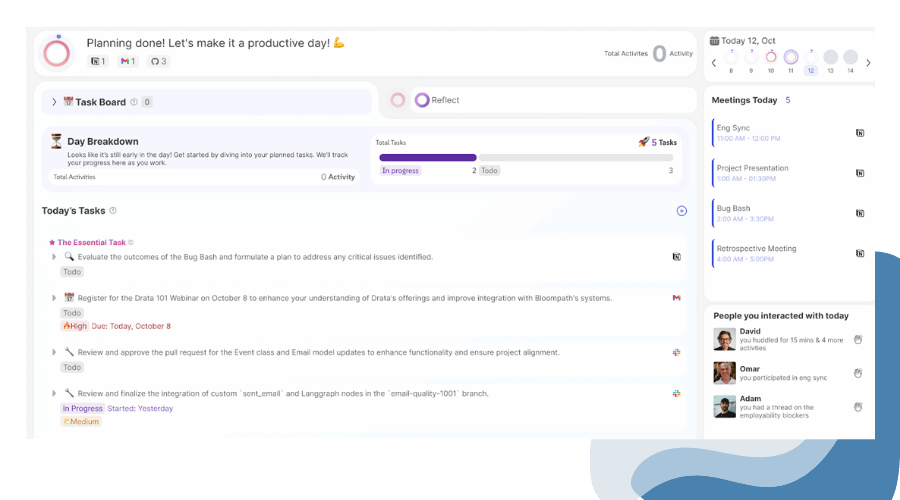
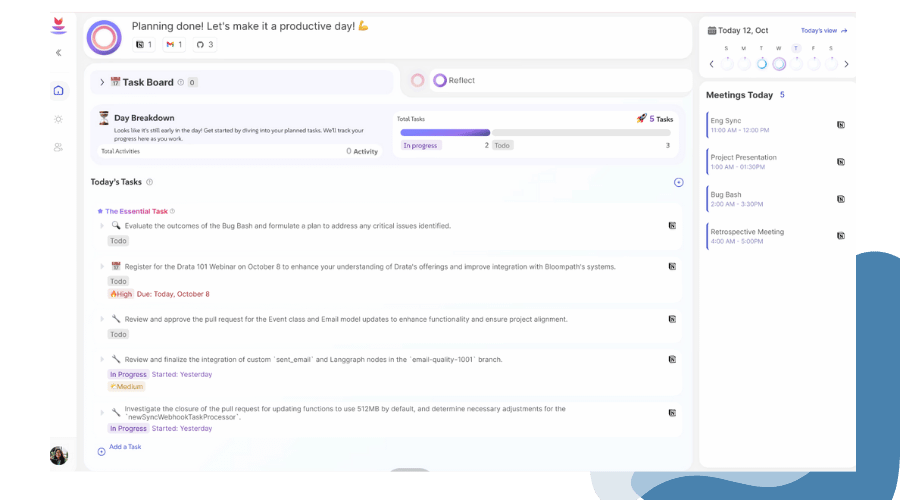
AI tracks team objectives and priorities, ensuring every team member has a clear understanding of what matters the most for them and the organization’s goals. From setting achievable day-to-day goals to real-time updates on task progress, BloomPath keeps each team member focused on the highest priority. Given BloomPath’s robust integration solution, it maps out and recommends the relevant work-related tasks based on relevance and importance.
Reflection
With the AI agent’s continuous performance tracking, every team member can reflect on how they successfully accomplished their planned, and unplanned work. This is all done without any manual intervention. BloomPath is able to determine when a task is completed or not, to reflect on your accomplishments on a daily basis. This proactive, data-driven approach enhances and simplifies the annual reviews with personalized actionable insights.
Growth
BloomPath helps team members create clear career pathways through visual and text-based recommendations for training, upskilling programs, and areas of focus. The AI adapts to individual needs, ensuring suggestions stay relevant based on how roles evolve and the team member’s long term career goal(s).
Aside from an individual view of daily and overall project accomplishments, BloomPath also offers Project Managers, Program Managers, and Engineering Lead/Managers the ability to take a comprehensive view on the health of each project. Instead of waiting for someone to consolidate the information, BloomPath provides a real-time view of the state of each project/initiative and drives data-driven and informed decision-making.
How AI Serves as a Collaborative Ally
AI is not here to take over your job but to enhance your team’s potential. By positioning itself as a productivity ally, AI tools work alongside managers and team members to identify inefficiencies, address them, and create better workflows. For organizations, this translates into:
Higher Team Engagement by aligning each team member’s work to the projects that they are responsible for and to the organization’s overall goals.
Accelerating Value Delivery by automating administrative tasks.
Clear Metrics to objectively evaluate team and project/initiative progress and success in real time.
Faster Decision-Making by making data accessible and keeping the stakeholders informed in the most efficient manner.
When used right, AI doesn’t replace human decision-making; it complements it by offering insights that might not be immediately visible.
How Is The Data Protected
The organisation owns their data: BloomPath protects user data through its “BloomPath in a Box” installation, leveraging containerized technology. The organization maintains ownership of their data. BloomPath is trained using their data and only their data.
Data is owned by every team member: This setup gives each team member full ownership of their data, allowing them to decide what can be shared within the organization.
Only work with work-relevant data: The BloomPath Retrieval-Augmented Generation (BRAG) ensures only relevant, work-related data is accessible, filtering out personal or non-work-related information.
With this approach, BloomPath ensures relevance, security, privacy, and precise control over data sharing while maintaining a seamless work environment.
The Roadmap to AI Success
Integrating AI tools like BloomPath into your organization’s workflow is easier with a phased approach:
Discovery Identify current inefficiencies, set productivity goals, and evaluate how AI can meet your needs.
Pilot Phase Roll out BloomPath on a smaller scale to test effectiveness in real-world scenarios. Gather insights and optimize application strategies based on results.
Expansion Phase Once the pilot is successful, scale BloomPath usage across the organization, ensuring every team benefits from AI-backed coaching and insights.
A Smarter, Happier Workplace
At its core, AI-powered productivity coaching like BloomPath.ai empowers individuals while enhancing team efficiency. It solves common workplace pain points, from communication gaps to burnout, transforming challenges into opportunities for growth.
By providing personalized guidance, real-time insights, and enhanced support for career development, AI tools aren’t just changing how we work—they’re helping us work smarter and more sustainably.
About the author
As an Agile Evangelist, Rochelle Tan has over 20+ years of experience in agile transformation with small to large organizations from various industries in North America and Asia: Oil and Gas, IT, Healthcare, Finance, Insurance, and Government.
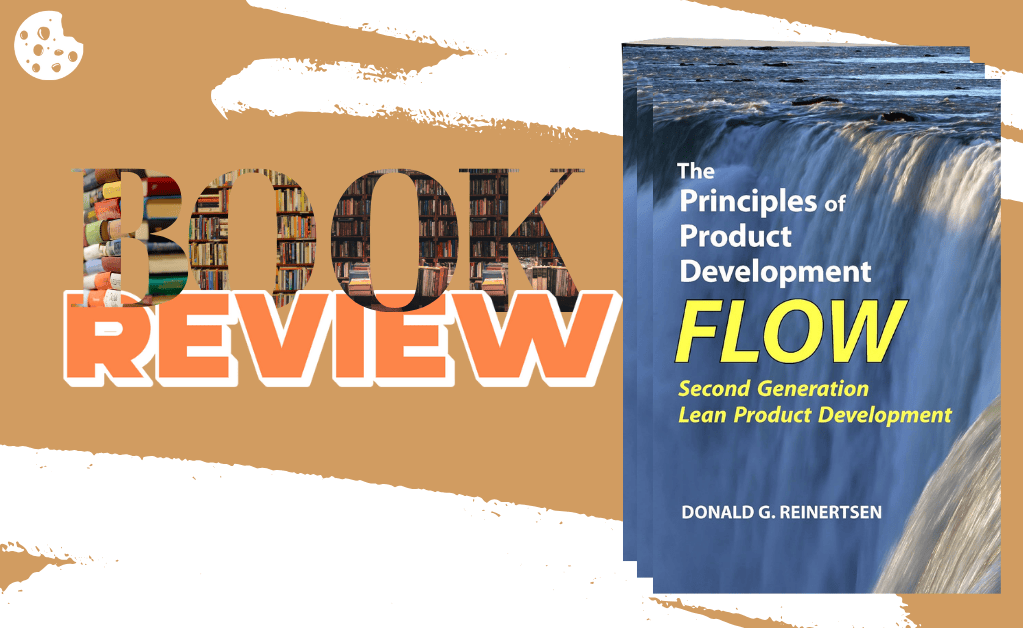
When it comes to building innovative products, the path to success can often feel cluttered, unstructured, and painfully slow. Principles of Product Development Flow – Second Generation Lean Product Development by Donald G. Reinertsen challenges the conventional approach to product development and offers a compelling framework built on 175 principles aimed at achieving flow in your processes. It’s a must-read for developers, managers, and anyone looking to innovate in product development, while maximizing economic value.
Reinertsen challenges and critiques the “dysfunctional beliefs” entrenched in the prevailing orthodoxy of product development, offering a sharp and thoughtful analysis. These outdated norms hinder innovation, create inefficiencies, and lead to delays. The author goes beyond merely identifying these challenges, offering readers actionable principles that serve as effective solutions to streamline product development and enhance outcomes.
Dispelling Dysfunctional Orthodoxy
Reinertsen identifies 12 common dysfunctions that plague product development organizations. Here’s a brief overview of the ones that stood out most prominently to me:
1. Failure to Correctly Quantify Economics
Many organizations rely on proxy variables to measure performance, often failing to understand the economic consequences of their decisions. For instance, instead of evaluating cost-of-delay metrics, organizations focus on metrics like utilization rates or project ROI, which don’t provide a complete picture of economic trade-offs.
2. Blindness to Queues
Unlike manufacturing, work-in-progress (WIP) inventory in product development isn’t as tangible or tracked. This invisibility results in the underestimation of queue sizes and, consequently, their impact on delays and costs.
3. Worship of Efficiency
While efficiency may sound desirable, focusing solely on maximum utilization leads to overloading systems and increasing queues, ultimately delaying projects and raising costs.
4. Hostility to Variability
Large batch sizes are often seen as efficient; however, they can lead to bottlenecks and longer cycle times. Smaller batches, though less flashy, achieve streamlined flow by reducing queues.
5. Institutionalization of Large Batch Sizes
While efficiency may sound desirable, focusing solely on maximum utilization leads to overloading systems and increasing queues, ultimately delaying projects and raising costs.
6. Managing Timelines Instead of Queues
Focusing on strict timelines rather than managing tasks based on value (or cost-of-delay) results in inefficient resource utilization and misaligned priorities.
7. Centralized Control
Centralized decision-making might feel like the safer choice but often stifles flexibility. Decentralizing decisions speeds up product development and empowers teams to innovate.
By addressing these dysfunctions, Reinertsen offers a roadmap to not only improve process efficiency, but also foster creativity and innovation within product teams.
The Core Themes of Flow-Based Product Development
The book introduces eight core themes designed to challenge and replace dysfunctional norms, offering principles that pave the way for effective, flow-based product development. Together, these themes provide a clear blueprint for transforming how organizations approach product development.
1. Economics
One of the key messages in the book is the importance of applying an economic lens to every decision. Understanding the cost-of-delay allows teams to objectively quantify trade-offs and make informed decisions on 5 economic objectives: cycle time, product cost, product value, development expense, and risk.
2. Queues
Reinertsen underscores the detrimental impact of large queues on cycle times and feedback delays. Tools, like Little’s Law and Cumulative Flow Diagrams, can help track and optimize queue size, ensuring smoother processes.
3. Variability
Rather than eliminating variability, the key is managing its economic impact. Techniques like variability pooling—combining diverse tasks to offset fluctuations—can help teams reduce the adverse effects of unpredictability without stifling innovation.
4. Batch Size
Reducing batch sizes improves workflow and shortens cycle times. Smaller batches not only decrease transaction costs, but also reduce overall expenses over time, paving the way for quicker iterations and more efficient feedback loops.
5. WIP Constraints
Implementing WIP limits prevents bottlenecks and helps control flow. A simple, but effective principle Reinertsen advocates is “progressive throttling,” where teams prioritize work during times of high congestion by allocating resources strategically.
6. Cadence and Synchronization
By syncing work processes at regular cadences, teams can ensure predictability and reduce variability in feedback loops and release cycles.
7. Fast Feedback
Early feedback prevents teams from going too far down the wrong path. This principle doesn’t just apply to user feedback—internal feedback loops behave similarly and drive alignment.
8. Decentralized Control
Empowering teams to make independent decisions, rather than depending solely on centralized authority, enhances development speed and boosts responsiveness. While decentralization fosters agility and team autonomy, it isn’t always the best approach. Certain situations still require centralized control to ensure effective decision-making when necessary.
The Core Themes of Flow-Based Product Development
Whether you’re new to product development or a seasoned professional, the book offers value for all readers.
Beginners should approach it as an introductory, yet comprehensive guide to understand foundational principles and their applications in product development.
Experienced professionals can use the book to identify specific areas of improvement or reference the principles most relevant to their current challenges.
Reinertsen’s conversational tone and practical examples make even complex concepts approachable, though readers might need some patience with the technical aspects of economic analysis and mathematical queue theory. From my experience and prior learning, the problems and solutions felt familiar. However, I valued the chance to delve deeper into concepts like queues, batch sizes, and other foundational ideas. Exploring the equations and frameworks behind these industry best practices provided a deeper understanding and fresh perspective.
1
Failure to Correctly Quantify Economics
One common mistake is relying on proxy variables that don’t truly reflect the economic outcomes of an organization’s decisions. To drive meaningful change, it’s crucial to measure what matters.
2
Blindness to Queues
Have you considered the hidden cost of queues in product development? Many don’t, and here’s why:
Incomplete designs aren’t tracked as inventory—they’re financially invisible, only showing up as assets once complete.
Design-in-process (DIP) inventory is also physically invisible. Unlike tangible objects, it exists in bits and pieces, making it easy to overlook.
3
Worship of Efficiency
Focusing solely on maximizing efficiency, like keeping everyone busy at full capacity, can backfire. High utilization may boost efficiency but often increases costs and delays by creating longer queues. Sometimes, less is more.
4
Hostility to Variability
Does variability seem like a bad thing? It’s common to view it that way, but variability is at the heart of innovation. Instead of eliminating it entirely, consider how it can foster creativity and add value.
5
Worship of Conformance
Sticking rigidly to original plans or designs might feel safe, but it’s not always the smartest choice. Adapting to new opportunities, like emerging technologies, can unlock greater economic value.
6
Institutionalization of Large Batch Sizes
Large batch sizes may look efficient on the surface, but they often create bottlenecks, increase cycle times, and amplify variability. Smaller, manageable batches can lead to smoother workflows and faster results.
7
Underutilization of Cadence
Without regular cadence or synchronized processes, feedback often comes too late—once products are nearly finished. Establishing cadence ensures timely reviews and helps course-correct before it’s too late.
8
Managing Timelines Instead of Queues
Why prioritize strict schedules over delivering value? Focusing on timelines often leads to excessive planning, while managing variables like queues can more effectively control cycle time and drive results.
9
Absence of Work-in-Progress (WIP) Constraints
Uncontrolled WIP leads to longer queues and extended cycle times. Lean manufacturing has long used WIP constraints to keep workflows efficient—product development teams can benefit from the same approach.
10
Inflexibility
High-utilization environments of highly specialized teams or of specialized resources can limit flexibility. When variability strikes or rebalancing is needed, inflexible teams struggle. Cross-training and broader skill sets can empower teams to adapt and thrive.
11
Noneconomic Flow Control
Are your project controls and prioritization aligned with economic value? If not, you could be relying on a narrow perspective—prioritizing metrics like ROI while overlooking the broader impact of delays on overall profitability. By shifting your focus to consider the true costs of delays alongside profitability, you can make more informed and effective decisions.
12
Centralized Control
Does everything in your process flow through a central authority? While it might seem efficient, over-centralization slows feedback and decision-making. A decentralized approach encourages faster responses and empowerment across teams.
Twelve critical problems with the current product development orthodoxy
My Takeaways
Reinertsen’s book stands out as a critical resource for product developers and managers looking to drive efficiency without compromising on innovation. It’s a wake-up call for organizations stuck in outdated processes and provides a clear path forward based on lean principles adapted for high-variability environments, like product development.
The book highlights the hidden costs of delays and invisibilities, such as unseen queues and work-in-progress, while underscoring the importance of economically sound decision-making. It serves as an invaluable resource for leaders managing cross-functional teams in fast-paced environments, guiding them in creating innovative products with greater efficiency and impact.
Who Should Read This Book
This book is especially valuable for:
Product Developers: Looking to innovate and adopt a flow-based approach.
Product Managers and Owners: Focusing on aligning teams with lean principles and economic priorities.
Management Consultants and Coaches: Working with organizations on optimizing product development cycles.
Team Leaders: Hoping to implement process improvements while fostering creativity and adaptability.
Final Recommendation
If your organization struggles with inefficiencies, bottlenecks, or a lack of innovation in product development, Principles of Product Development Flow is an indispensable read. It’s more than just a guide—it’s a call to action to rethink outdated practices and reimagine what effective product development can look like.
Whether you’re building a brand-new product line or trying to refine your processes, this book will empower you to establish flow, minimize delays, and maximize economic value. Read it, implement it, and watch your teams transform.