In our fourth episode of this season of @InBiteSizelearning , we have Pooja Anand, a Program Manager at RTculate, share how mentorship has supported her as she navigates her career.
The episode focused on three questions.
What is mentorship?
How can we leverage mentorship when we face challenges?
How can we find a mentor or be a mentor for others?
Pooja Anand is a Columbia graduate with a passion for user-centric innovation. She brings a powerful blend of technology consulting, data analytics, and product management expertise to RTculate. During her time at EY, she demonstrably improved efficiency and revenue generation through strategic solutions, employing agile methodologies to deliver impactful results.
At @InBiteSize , we believe in the power of information. We want to help people, like you, learn everything from best practices to the latest changes in the industry so that you can build a high performing team.
Follow us on Spotify and Amazon Music: @InBiteSize
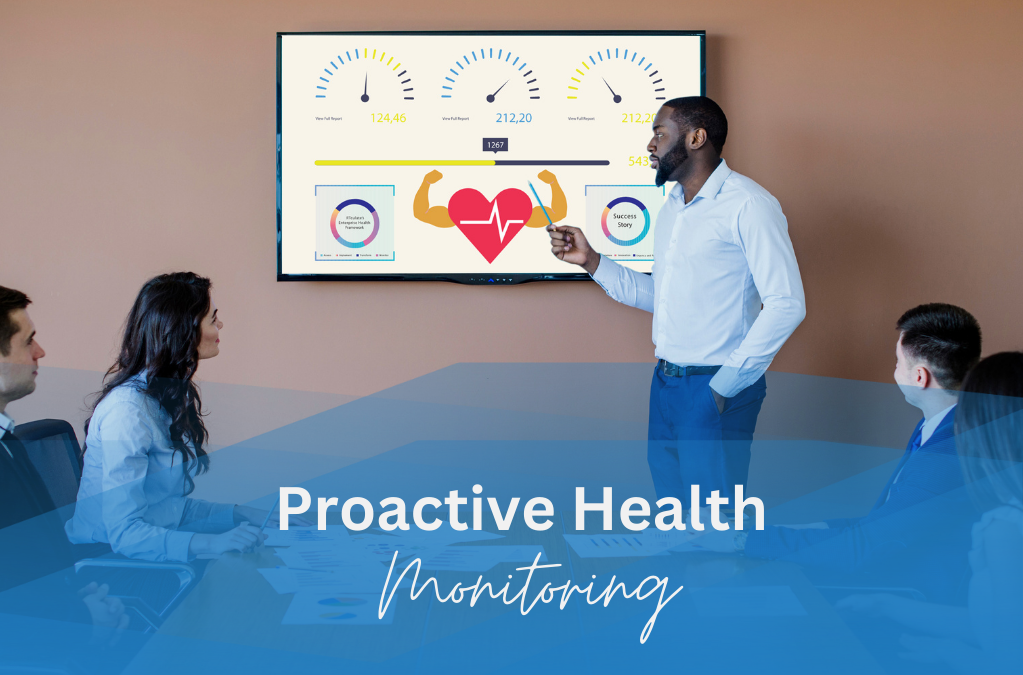
When was the last time you visited your doctor? Many of us schedule annual check-ups not because we’re unwell but because we believe in the value of proactive health monitoring. This approach helps prevent potential issues before they become problems, ensuring our well-being and longevity. But how often do we apply this principle to our businesses? Just like our bodies, enterprises require regular health assessments to ensure they remain robust, agile, and competitive.
The Enterprise is Like a Human Body
Think about your enterprise as a complex organism where each department functions like an organ in the human body. For the organization to operate optimally, every part needs to work in harmony. A healthy enterprise sets clear goals, ensures all team members are aligned towards these objectives, delivers customer satisfaction, and continually innovates to meet evolving market demands. Without these elements, the risk of dysfunction increases, leading to stagnation, decline, and obsolescence.
Implications of Doing Nothing
Neglecting regular health checks can have serious repercussions, and the same applies to organizational health. Failing to monitor and enhance it may lead to situations that could become irreparable if not addressed in time:
Loss of Competitive Edge
Market Irrelevance: Without innovation, companies risk obsolescence as they fall behind market demands and technological advancements.
Outdated Products: Products lacking the latest features may lead to decreased customer loyalty.
Poor Customer Experience: Enterprises that don’t evolve may struggle to deliver engaging interactions.
Increased Risk of Disruption
Industry Disruption: Vulnerability to agile startups or tech-savvy competitors.
Inability to Pivot: Difficulty adapting to market changes or crises.
Talent Drain
Low Employee Morale: Talented individuals may seek dynamic and innovative environments.
Attracting Talent: Struggling to attract top talent without a growth-oriented culture.
Financial Instability
Decreased Profitability: Competing on price rather than innovation can harm profit margins.
Investment Challenges: Investors may hesitate to fund non-innovative companies.
Key Benefits of RTculate’s Enterprise Health Framework
RTculate’s Enterprise Health Framework offers a solution to these challenges by providing a structured approach to assess, understand, and enhance enterprise health:
Assess: Utilize concrete, measurable data to ensure business health, much like checking vital signs in medical check-ups.
Implement: Address root causes of dysfunction rather than mere symptoms, ensuring sustainable fixes that lead to long-term health.
Transform: Train your enterprise to be self-sustaining and adaptable, allowing it to evolve continuously and independently.
Monitor: Establish a holistic approach to continuously track the progress and balance of growth and operational sustainability of the enterprise
Real-World Success Story
Consider a recent success story where RTculate’s framework was implemented in a large Fortune 500 company. Their Cloud Platform faced challenges prioritizing work and making deliverables visible across teams in the entire solution delivery business area. By fostering collaboration and visibility, RTculate helped them achieve:
Work Completion: Regular demonstration and delivery of completed work.
Innovation: Encouraging a culture of exploration and trying new approaches for learning and growth.
Urgency and Purpose: Unified teams working towards shared goals.
Take Action for a Healthier Enterprise
The time to act is now. Don’t wait for problems to arise before seeking solutions. Proactive health monitoring is the new normal in business management.
Ready to transform your enterprise? Contact us to learn more about RTculate’s Enterprise Health Framework today and set your organization on a path to sustained innovation and growth. Your enterprise’s next chapter of growth and innovation begins here.
Welcome to episode 3 of season 2 of the @InBiteSize podcast series. In this episode, we invited Cynthia Mary Thomas, an agile servant leader known for her #CynthiasMusings posts within LinkedIn, to share her take on the importance of emotional intelligence when it comes to communicating effectively with her teams.
We focused the episode around three questions.
What is emotional intelligence?
How can we leverage emotional intelligence to enhance the communications with our team?
How do we continue to hone our practice?
Cynthia is an experienced Product Manager, who has shaped her teams and her products to deliver a delightful customer experience. She has worked in a variety of different industry from HR to telecommunications and beyond. At @InBiteSize , we believe in the power of information. We want to help people, like you, learn everything from best practices to the latest changes in the industry so that you can build a high performing team.
Follow us on Spotify and Amazon Music: @InBiteSize
@InBiteSizelearning is back for its second season, and we have a bold goal of sharing our perspective and insights from the world of digital transformation and beyond (within 5 minutes or less.)
As hundreds headed down to Texas for Agile2024, I sat down with Rochelle Tan to gain her perspective on our struggling industry and what we can do as the tides change.
At @InBiteSizelearning , we believe in the power of information. We want to help people, like you, learn everything from best practices to the latest changes in the industry so that you can build a high performing team.
Follow us on Spotify and Amazon Music: @InBiteSize
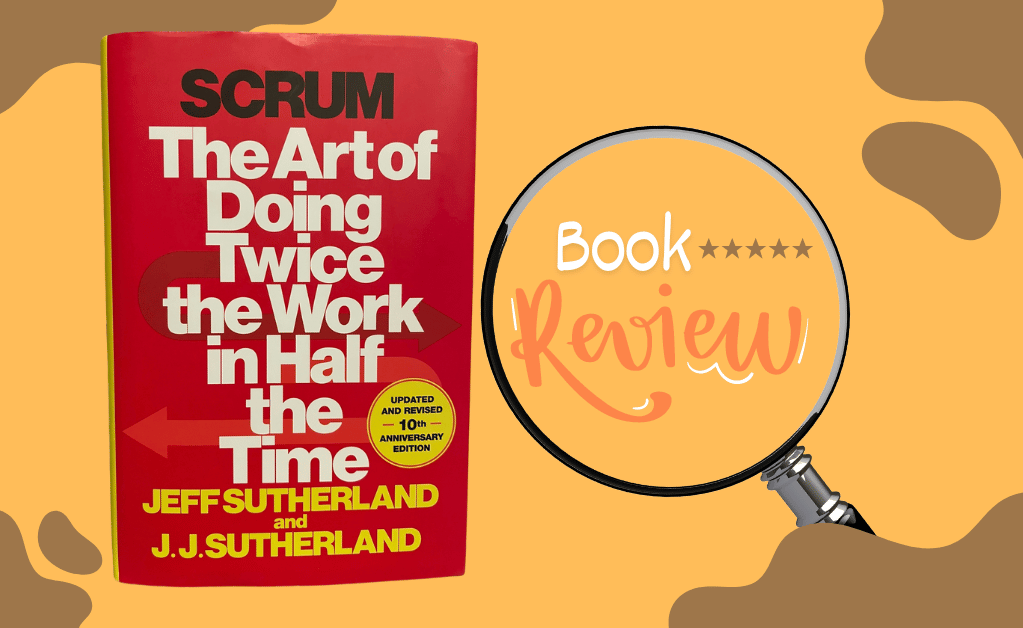
Scrum Demystified: Insights from Jeff and JJ Sutherland's "Red Book"
In “Scrum: The Art of Doing Twice the Work in Half the Time”, Jeff Sutherland and JJ Sutherland distill the essence of Scrum, providing both beginners and seasoned practitioners with a comprehensive guide to this agile framework. Whether you’re curious about Scrum or an experienced professional seeking a refresher, this book offers a wealth of insights, theories, and real-world examples. The authors not only explain the mechanics of Scrum but also delve into the psychology and principles behind its effectiveness.
What is Scrum?
Basic
Scrum emerged from the recognition that there was a more effective way to implement projects and deliver value, transitioning from the traditional waterfall approach to a more agile, iterative methodology. This agile framework incorporates elements of Lean, Extreme Programming (XP), and best practices, such as:
Autonomous, empowered self-organizing teams
Deming’s Plan-Do-Check-Act cycle
The Japanese practice of ShuHaRi
Scrum emphasizes iterative progress through small, cross-functional teams working towards a common goal. Jeff and JJ Sutherland trace the history of Scrum, explaining its origins and evolution, making it evident why this methodology is favored by many organizations today.
Why It's Worth Reading
Comprehensive Insight
One of the standout features of this book is its dual approach. The authors don’t just offer a step-by-step guide on implementing Scrum; they go deeper, explaining why each aspect of Scrum is necessary. For instance, Jeff Sutherland describes why the size of a team matters, using real-life examples to illustrate the exponential increase in communication channels as more people are added to a team. The formula [communication channel = n(n-1)/2] is used to demonstrate this complexity.
Real-Life Examples
The book is peppered with stories of both success and failure, providing readers with a balanced view of Scrum’s potential and pitfalls. These stories are not just illustrative but also serve as case studies that offer actionable insights.
Supporting Studies and Principles
The authors bring in psychological studies and theories, including Maslow’s hierarchy of needs, Fundamental Attribution Errors, and Dual-Task Interference, to name a few. These references enrich the content, making it not just a manual for Scrum but a holistic guide to understanding teamwork and productivity.
How to Use It
Tactical Guidance
Beyond the theoretical underpinnings, the Sutherlands provide practical advice on making Scrum work within teams and at scale (Scrum@Scale). This makes the book invaluable for project managers, scrum masters, and delivery/implementation managers who are looking to implement Scrum in their organizations effectively.
Key Takeaways
For teams and organizations implementing Scrum, the following elements are essential:
Cross-Functional, Long-Lasting Teams: The book underscores the significance of small, cross-functional teams that are motivated and engaged.
Autonomy, Mastery, and Purpose: Team members must be empowered to make decisions, continuously improve, and understand the overarching purpose of their work. (Curious to learn more, check out our review on Drive).
Realistic Expectations: The authors frankly acknowledge that Scrum is not a magic solution; it requires time, dedication, and proactive effort to produce results.
Scrum Principles, Not Process: Success comes from applying Scrum principles to achieve desired outcomes, such as value delivery, rather than adhering to a strict process or set of rules.
Personal Insights
When I first began reading “Scrum,” I expected a straightforward introduction to the framework. It felt akin to a medical doctor reading a nursery book to learn about anatomy. However, as I delved deeper, I discovered the book offered far more. It presented a rich tapestry of theory, supported by studies, expert insights, and real-life examples, demonstrating how Scrum has driven organizational success—or highlighted failures in its absence.
I particularly appreciated the historical anecdotes, which provided a deeper understanding of how Scrum originated and why it remains effective. In the 10th anniversary edition of the “Red Book,” the authors enhance their work and include success stories from various organizations across different fields—venture capital, car manufacturing, weddings, government, pharmaceuticals, and more. These examples reinforce the versatility and effectiveness of Scrum beyond its roots in software development.
Conclusion
“Scrum: The Art of Doing Twice the Work in Half the Time” by Jeff Sutherland and JJ Sutherland is a must-read for anyone interested in optimizing their work processes, achieving greater efficiency, and continuously delivering high value product and/or service. Whether you’re new to Scrum or a seasoned practitioner, this book offers valuable insights that can help you implement and refine Scrum in your organization.
If you’re ready to transform your team’s productivity, this book is your guide. And if you’re looking for personalized advice, consider booking a call with one of our expert coaches who can help you integrate Scrum into your workflow.