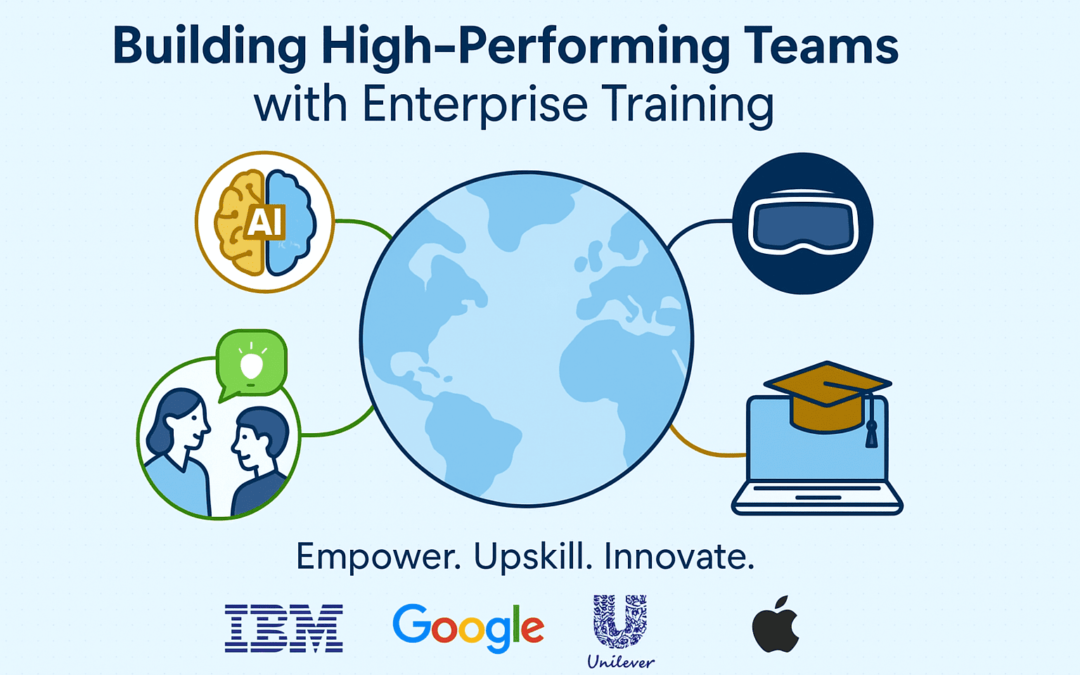
How do Fortune 500 companies continuously nurture innovation, drive efficiency, and maintain their competitive edge? The answer lies in a focused investment in enterprise training programs that empower their workforce. Developing high-performing teams isn’t just about hiring the right talent; it’s about equipping them with the skills and tools necessary to thrive in an evolving business landscape.
This article explores how companies, like Google, Unilever, Apple, and IBM, are using tools like AI platforms, VR simulations, and personalized coaching to enhance enterprise training and measure its long-term impact.
Why Enterprise Training Matters
Enterprise training is no longer a ‘nice-to-have’; it has become a critical strategic priority. With industries constantly adapting to emerging technologies and shifting consumer preferences, businesses can’t rely solely on the skills employees brought on their first day. Continuous learning ensures that teams remain future-ready, productive, and motivated.
Key Benefits of Enterprise Training:
Skill Enhancement: Keeps employees up-to-date with technological advancements.
Productivity Gains: Reduces errors, streamlines processes, and encourages innovation.
Improved Employee Retention: Employees who feel supported in their career development are more likely to stay.
Enhanced Collaboration: Training builds cross-functional knowledge, enabling seamless collaboration among diverse teams.
How Fortune 500 Companies Do It
Fortune 500 companies have taken enterprise training to new heights by adopting advanced technologies and groundbreaking methods. Here’s a look at how some of them are leading the way:
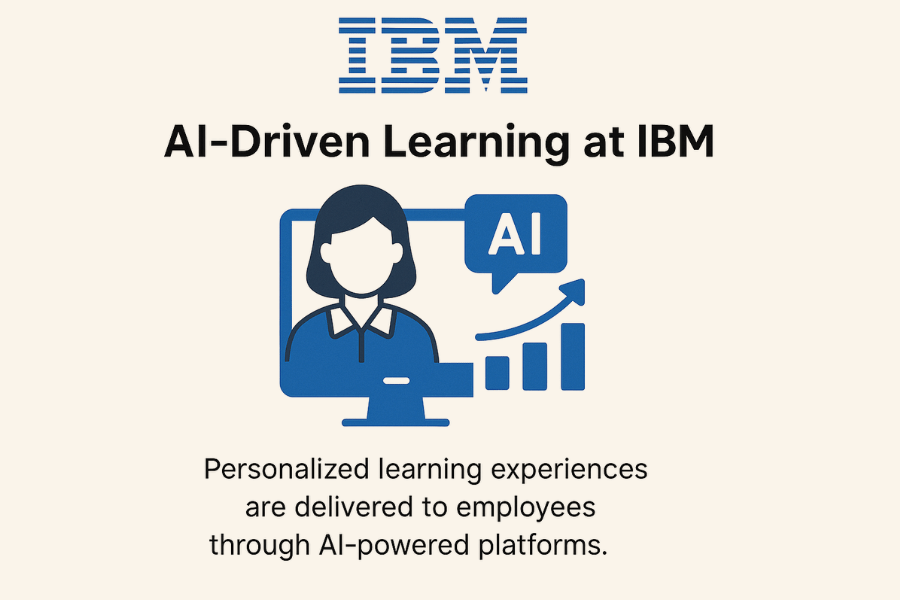
Ai-Driven Learning at IBM
IBM has long been a believer in continuous learning and growth as a way to promote employee retention. The company has pioneered the use of AI-powered platforms, like their AI Academy, to deliver personalized learning experiences to employees globally. These platforms analyze individual learning styles, career goals, and skill gaps to recommend tailored courses.
AI also powers IBM’s efforts in identifying and addressing future skills gaps. By using tools, like AI-driven analytics, IBM can predict which areas require upskilling and deliver highly relevant content to employees. The result? Teams equipped with the latest technological knowledge, prepared to tackle emerging challenges.
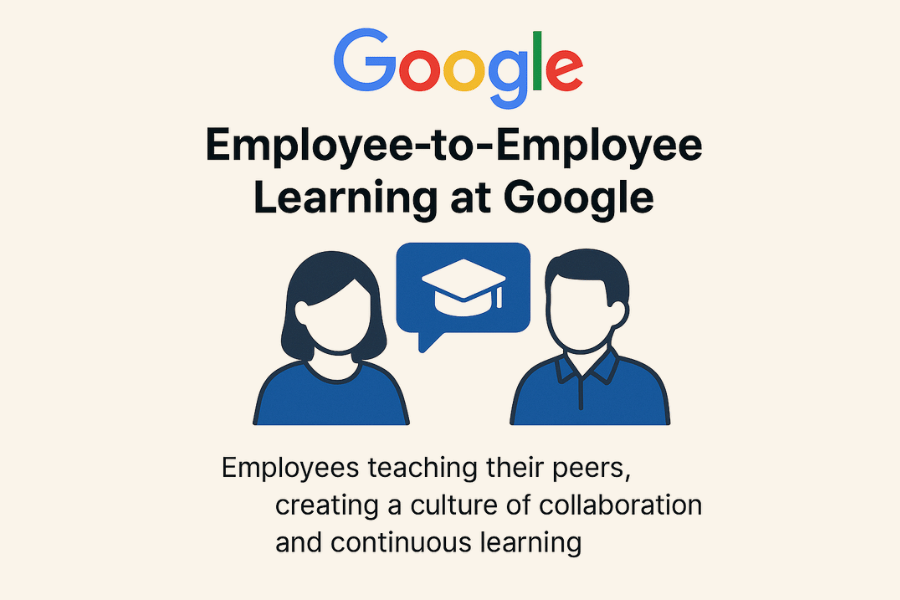
Employee-to-Employee Learning at Google
Google’s employee-to-employee learning programs are a testament to the power of shared knowledge.
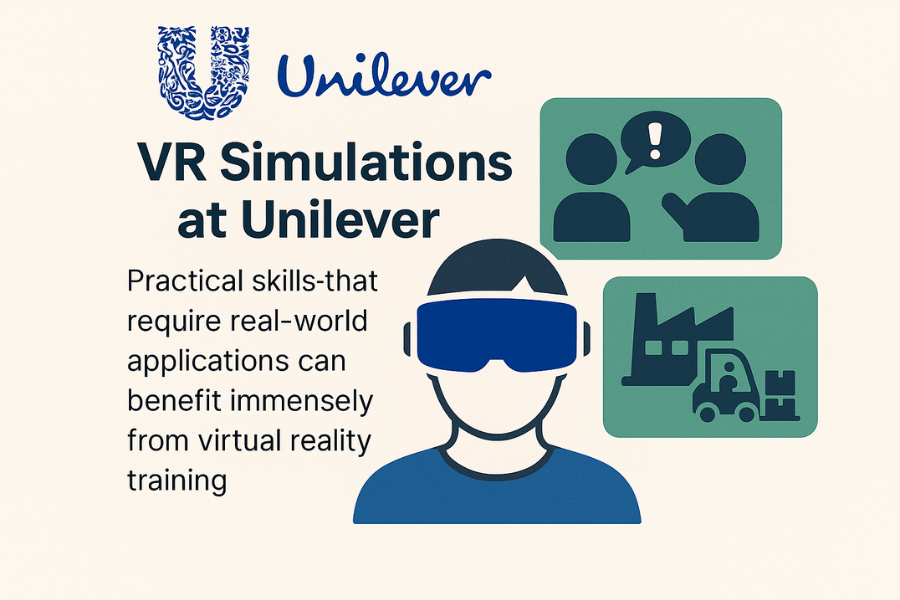
Practical skills that require real-world applications can benefit immensely from virtual reality training. Unilever has implemented VR simulations in various areas, from factory management to leadership development. These simulations enable employees to practice decision-making and problem-solving in risk-free, controlled environments.
For instance, HR professionals at Unilever use VR to master handling sensitive workplace interactions, while supply chain managers practice optimizing logistics. By incorporating immersive learning experiences, Unilever enables employees to gain confidence before executing tasks in the real world.
Self-Paced Learning at Apple
Apple has partnered with platforms, like Coursera, to provide employees with access to thousands of online courses.
This approach allows staff to learn at their own pace, whether they’re enhancing technical skills or exploring leadership development. Through this method, Apple fosters a self-driven learning culture that empowers employees to take charge of their growth trajectories.
Measuring ROI on Enterprise Training
Investing in enterprise training programs is a significant financial decision, and ensuring a measurable ROI is essential. Here are key metrics and tools to evaluate training effectiveness and long term impact:
Productivity Metrics
Analyze KPIs, such as output quality, problem-solving efficiency, and innovation rates, before and after training initiatives. Have teams been able to implement what they’ve learned to reduce costs or improve speed? Has there been a reduction in errors or an increase in productivity? These metrics can help determine the impact of training on individual and team performance. An example of these KPI’s are as follows: is the flow metrics
Employee Assessment
Use customizable AI-assessment models, like the AI Maturity Index, to capture a baseline of the organization’s current capabilities and track improvements driven by new training efforts. Such tools measure employee skills, engagement, and sentiment towards their roles and the organization. This process provides insights into how training drives knowledge, improves quality, and fosters innovation within the enterprise.
Ensuring Long-Term Success with Continuous Learning
Sustainable training programs are not one-off initiatives. Companies, like Google and IBM, have demonstrated that fostering a culture of continuous learning is vital for long-term success.
Here’s how organizations can build such an environment:
Encourage Knowledge Sharing: Implement peer-to-peer learning models like Google’s.
Adopt Flexible Training Formats: Combine self-paced studies (like Apple does via Coursera) with interactive methods such as VR or in-person workshops.
Leverage Advanced Tools: Use AI to personalize content and forecast future training needs.
Enterprise training powered by technology is transforming how organizations develop talent across industries. From IBM’s AI-driven personalized learning to Unilever’s immersive VR simulations, these initiatives equip employees to handle modern business challenges with confidence.
The benefits are undeniable: companies that innovate in learning and development experience improved performance, greater adaptability, and stronger teams across all functions. By fostering continuous growth, providing essential skills, and using data to refine training strategies, businesses build agile, high-performing teams ready to excel in an ever-changing landscape.
To maximize these outcomes, it’s essential to integrate expert guidance alongside advanced training tools. Partnering with external specialists, like RTculate, leaders in business coaching and enterprise development, can significantly enhance your organization’s training programs. Their tailored coaching solutions elevate team capabilities, ensuring employees are not only prepared but empowered to thrive.
Curious how to take your enterprise training to the next level? Explore how RTculate’s expert coaching, scalable learning platforms, and professional upskilling opportunities can empower your workforce, keeping your organization ahead of the curve today.
Additional Information for Professional Learners
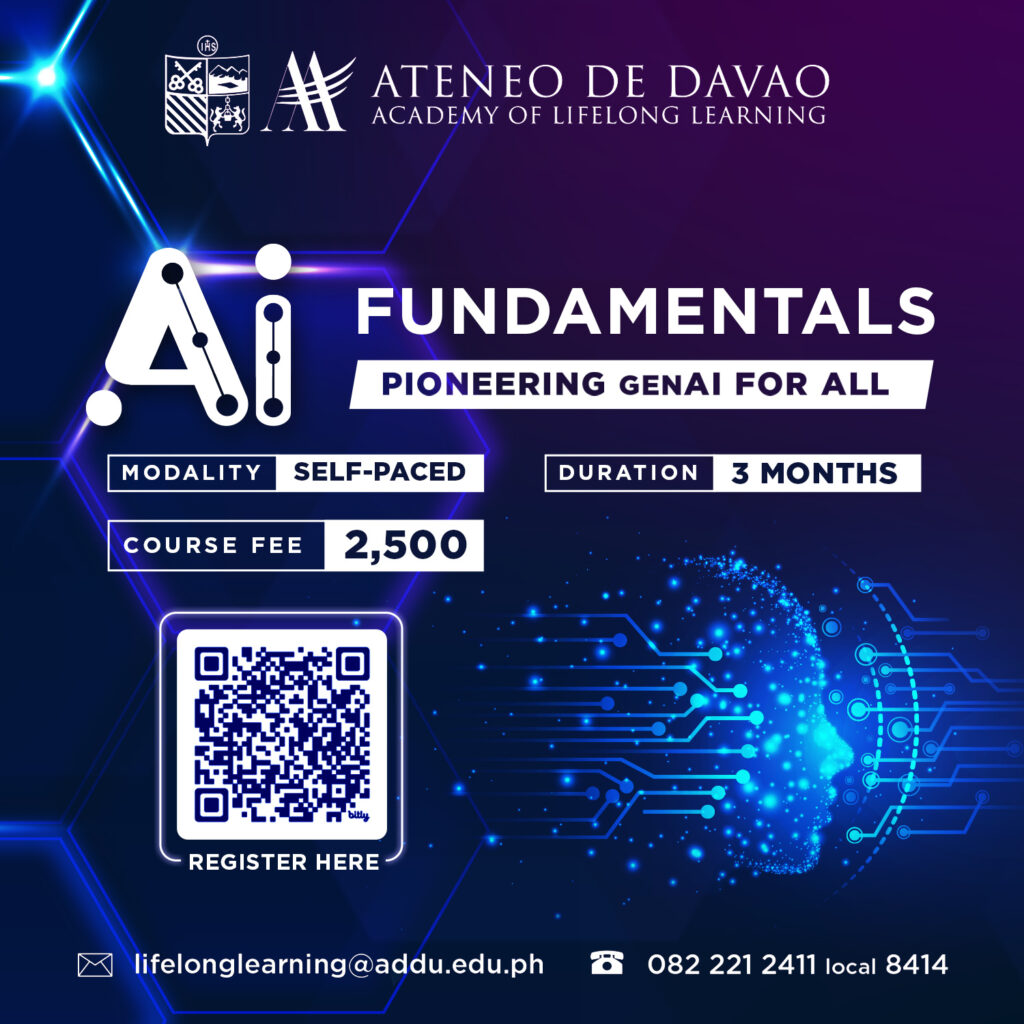
For individuals and teams looking to deepen their technical expertise, RTculate and Ateneo De Davao – ALL AI Fundamentals: Pioneering GenAI for All course. This self-paced program provides employees with essential knowledge of AI technologies, helping them stay ahead in today’s tech-driven world. Incorporating such resources into your training strategy ensures a well-rounded approach that addresses both organizational and individual growth.
About the author
As an Agile Evangelist, Rochelle Tan has over 20+ years of experience in agile transformation with small to large organizations from various industries in North America and Asia: Oil and Gas, IT, Healthcare, Finance, Insurance, and Government.
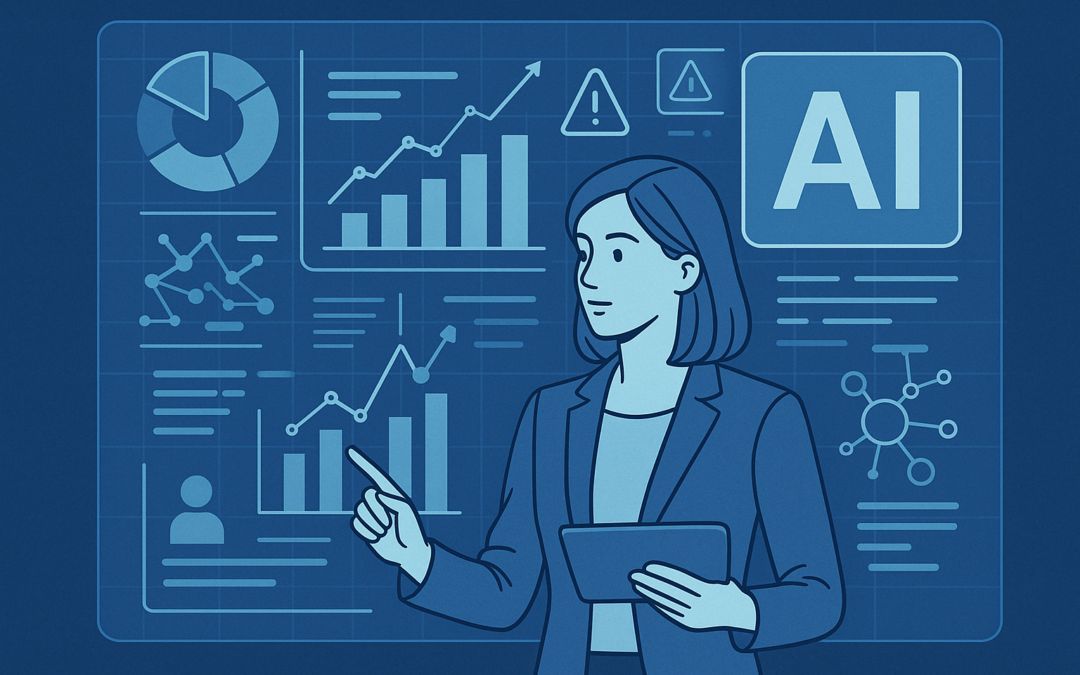
Emily, a manager at a growing tech firm, starts her day with coffee and a holographic Artificial intelligence (AI) dashboard. Real-time visuals show team performance, project delays, and predictive analytics for resource bottlenecks. AI handles her admin tasks—drafting emails, scheduling across time zones, and adjusting staffing plans. During brainstorming, AI turns ideas into 3D prototypes for instant sharing. By afternoon, it alerts her to a competitor’s move with actionable strategies. For Emily, AI makes leadership fast, visual, and efficient.
The story above is just a glimpse of how the application of AI solutions can streamline work for various people in the organization. This is no longer a futuristic concept reserved for our imagination. Today, AI has swiftly transformed into a game-changer for businesses globally, reshaping how work is approached, completed, and managed. For CEOs, HR professionals, and tech leaders, this evolution presents an opportunity to rethink workforce strategies, balance human capital with AI, and redefine leadership in the era of automation.
This blog explores how AI is transforming hiring, upskilling, and leadership training, the rise of AI-augmented employees, and strategies Fortune 50 leaders are deploying to create harmony between AI and human talent.
AI in the Workforce: Productivity, Innovation, and Skill Development
AI is revolutionizing various business operations. From automating mundane tasks to sparking creativity, its impact is felt across industries.
Enhancing Productivity with AI
AI enables professionals to focus on high-value tasks by automating repetitive and time-consuming processes, such as generating real-time project status reports or assembling datasets for decision-making. According to a survey conducted by Pryon and Unisphere Research, 70% of respondents reported that the average professional will spend one hour or more looking for a single piece of information — with nearly a quarter (23%) spending more than five hours. Drawing from this result, an average employee spends over three hours daily searching for information. With AI tools, this wasted time can be reduced significantly, leading to a marked boost in productivity.
Real-World Example:
Microsoft Copilot, an AI-powered assistant, is transforming meetings by summarizing key points and identifying action items for teams. While there have been challenges, such as capturing trivial actions, it demonstrates how AI can streamline day-to-day operations for better outcomes.
Alleviating Grunt Work
AI systems are designed to handle repetitive, rule-based tasks, which frees employees to focus on strategic and creative responsibilities. For instance, HR departments leverage AI to screen resumes, while marketing teams rely on AI for content optimization and lead scoring.
Recruitment and hiring Example: LinkedIn is leveraging AI to help recruiters be more effective by having more time assessing the candidates by getting to know them and convincing them to join the organization instead of being buried in tedious work – setting up meetings, clarifying requirements from hiring managers, and doing initial job screening.
AI for Upskilling and Personal Growth
Learning new skills in today’s fast-paced environment can feel overwhelming. Enter AI-powered learning assistants! These tools offer personalized recommendations and step-by-step guidance, enabling professionals to upskill faster and more effectively.
Text Creation Example:
AI platforms, like Jasper, are revolutionizing content creation by streamlining the process and improving results. Jasper not only helps writers craft persuasive copy, but also serves as an educational tool, teaching users how to write more effectively for SEO. As a content creator, I have personally found Jasper invaluable. While I often have great ideas to share, I sometimes struggle with narrowing my thoughts and organizing them into a cohesive, logical flow. Jasper helps me overcome these challenges, making it one of the key tools I rely on to produce more compelling and relevant content.
Driving Innovation and Creativity
AI doesn’t just do what humans can do faster; it also unlocks entirely new ideas. By leveraging AI’s analytical power and pattern recognition, organizations can innovate in ways previously unimaginable.
Advertising asset Example: OpenAI tools like DALL-E let creative teams quickly generate images from text, making it easier to produce advertising assets faster and more affordably. It saves time and reduces costs by providing a convenient tool for creating content without the need for a large design team.
Transforming Leadership with AI
Redefining the workforce is about more than just tools. It’s also about leadership. With AI augmenting employees, CEOs and other organizational leaders must adapt to manage AI-human hybrid teams better.
The Rise of AI-Augmented Employees
AI has given rise to a new type of worker who is not fully human but works alongside human teammates. For example, AI email automation prioritizes customer communication, while chatbots take care of frontline interactions. These AI-augmented employees extend the capacity of human teams and ensure a seamless business operation.
Leadership Training and Adaptability
AI is reshaping leadership training by providing data-driven insights into management styles, employee engagement, and team dynamics. Real-time feedback systems allow executives to refine their approach to fit organizational needs.
Strategy for CEOs to Harmonize AI and Human Talent
Fortune 50 companies are employing several strategies to integrate AI without losing sight of the human element. This includes ensuring transparency around AI initiatives, investing in employee training, and maintaining oversight to prevent over-reliance on AI decision-making.
Key Steps for Leaders to Adapt and Thrive
Impart AI Literacy: Ensure teams across all levels understand how to use AI tools effectively.
Invest in Collaboration Training: AI’s potential is maximized when it complements human ingenuity. Leaders must emphasize tools that foster collaboration rather than isolate departments.
Build Trust in AI: Transparency about how AI works and its limitations is crucial for fostering trust within teams.
Real-Life Case Study
Here’s a real-life use case of how RTculate, a boutique consulting company, has leveraged technology to create an effective AI training course to promote consistency and sustainability.
Problem: Creating high-quality narration for the AI Fundamentals course was a challenge. Hiring a human narrator would have been time-consuming, expensive, and less sustainable, with added logistical issues for future updates.
Solution: RTculate turned to WellSaid’s AI voiceover technology, which offered a streamlined, efficient, and cost-effective way to produce professional-grade narration. The AI solution allowed for fine-tuning specific pronunciations and provided the flexibility to adapt to various English accents and languages.
Outcome: The AI voiceover not only delivered exceptional quality, but also ensured long-term flexibility for course updates without the need to coordinate with a human narrator. This approach saved time, reduced costs, and aligned with RTculate’s commitment to sustainability, while maintaining top-tier results.
Winning the Future with AI
The benefits of AI are impossible to ignore. It amplifies productivity, fuels creativity, reduces operational burdens, and drives unparalleled insights. The human-AI partnerships we forge today will undoubtedly define the competitive landscape of tomorrow.
If you’re ready to explore the potential of AI in your organization, start small. Identify specific processes where it can make the biggest impact, experiment with tools, and scale as you gain confidence. AI is not here to replace jobs; it’s here to redefine them. Seize the opportunity to lead this transformation.
As an Agile Evangelist, Rochelle Tan has over 20+ years of experience in agile transformation with small to large organizations from various industries in North America and Asia: Oil and Gas, IT, Healthcare, Finance, Insurance, and Government.
Our premise for this season is to have a casual conversation with a leader in the field where we teach a concept and provide other thought leaders, like you, with actionable steps in roughly 10 minutes or less.
In today’s episode, we welcome back @shivankenergy, a Product Manager at Egen.ai, who breaks down how organizations can shift from automation-driven AI to AI that truly serves people.
We discuss: 1) what is human centered design and how it applies to AI 2) why it matters 3) practical steps for program and product managers to implement human-centered AI in their organizations.
#productleadership #productmanagement #innovationstrategy #endtoend #designthinking Like what you saw? Be sure to comment below.
Check out our blog: https://inbitesize.com/ Follow us on Spotify and Amazon Music: @InBiteSize
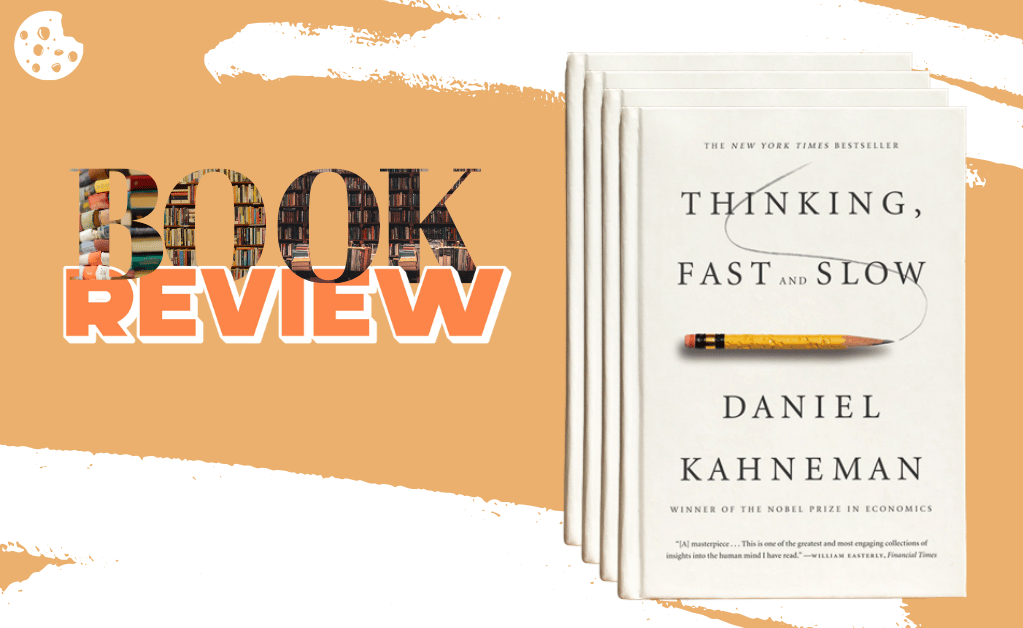
Picture yourself taking a test where the questions are printed on clean, easy-to-read paper. Next, imagine taking the same test, but the questions are printed on faint, smudged letters. Which one would help you perform better? Surprisingly, research shows that the harder-to-read paper activates your “System 2” thinking—slower, more deliberate, and analytical—leading to fewer mistakes. This counterintuitive insight is just one of the many fascinating findings explored in Daniel Kahneman’s Thinking, Fast and Slow. Written by the Nobel Prize-winning psychologist, this book dives deep into how our minds operate, from the snap judgments of System 1 to the reflective reasoning of System 2. By understanding these mental processes, leaders and decision-makers can navigate challenges more effectively and make smarter choices.
Key Learnings from the Book
Kahneman introduces a groundbreaking framework for understanding human thought through his concept of “Two Systems”:
Understanding the Two Systems
System 1 operates fast, intuitively, and emotionally. It’s our “gut feeling,” often reactive and prone to errors in judgment.
System 2 is slow, deliberate, analytical, and logical. This system is effortful and takes time (and considered more lazy), often stepping in to correct System 1 but only when we consciously engage it.
Together, these systems explain how we process information and make decisions.
Cognitive Biases Awareness
Kahneman outlines how cognitive biases distort our reasoning. Concepts, like anchoring (over-relying on initial information), the availability heuristic (relying on examples that easily come to mind), and loss aversion (fearing losses more than valuing gains) reveal just how fallible human judgement can be.
Impact of Framing
Kahneman demonstrates that how information is framed dramatically affects decisions. For instance, people may make different choices depending on whether an outcome is presented in terms of potential gains versus potential losses, even if the underlying facts are the same.
Overconfidence and the Illusion of Control
Leaders are often prone to overestimating their abilities or control over situations. This habit leads to risky decisions that may not be grounded in reality. Control is only applicable and can be expected if the work or situation is stable and has a repeatable pattern. This principle challenges so-called financial experts, who claim to be able to predict the stock market. This claim is analogous to someone who can confidently and accurately predict the weather.
The Importance of Statistical Thinking
Kahneman advocates for applying statistical reasoning instead of overly relying on intuition or gut-feel. Data-driven, objective analysis often produces results that System 1’s instincts miss. The author explains the concept of “regression to the mean,” where extreme outcomes naturally return closer to the average, often misunderstood as the effect of interventions. Kahneman also challenges the overemphasis on individual influence, such as attributing a company’s success solely to its CEO, as outcomes are shaped by a mix of factors, including chance. By relying on data and avoiding instinct-driven interpretations, decision-makers can achieve more accurate and objective insights.
Applications in Organizational Decision-Making
The principles of Thinking, Fast and Slow are deeply relevant to business leaders and organizations. Here’s how these lessons can be applied:
Clear and Concise Messaging
Leverage System 1 thinking by communicating corporate goals and objectives in a way that’s intuitive and easy to recall. For example, concise mission statements help create mental “anchors” for teams, leading to alignment and shared focus.
Bias Mitigation in Decision-Making Recognize and counter cognitive biases during strategic planning. For example, encourage diverse perspectives in meetings to avoid overreliance on one anchor point or availability bias.
Use of Data for Sound Decisions
Instead of relying solely on instinct, promote statistical and evidence-based thinking to assess risks and probabilities objectively. Teams armed with data are less likely to succumb to the errors of intuitive judgement.
Awareness of Framing Effects When presenting initiatives or changes, frame communication effectively. For instance, employees often respond better to phrasing that emphasizes potential gains (“These improvements can boost productivity by 20%”) rather than losses (“Failure to adapt might result in inefficiencies”).
Encouraging Deliberate Thinking
Train teams to pause and engage their System 2 thinking for high-stakes decisions. Implement structured decision frameworks and provide time for careful analysis instead of hasty reactions. Keep in mind that people often default to System 1 thinking without realizing it. Building awareness of this natural tendency allows individuals to recognize the warning signs and train themselves to approach decisions more mindfully.
Boosting Collective Alignment Reduce complexity where possible. Use Kahneman’s insights to design processes and workflows that accommodate both intuitive and deliberate thinkers to encourage inclusive and actionable strategies.
Why Business Leaders Should Read This Book
Kahneman’s insights are invaluable for business leaders, organizational strategists, and decision-makers. While “Thinking, Fast and Slow” is dense and at times a bit dry, it’s filled with profound takeaways and relatable examples. The book not only reveals the flaws in human reasoning, but also provides practical tools to help readers identify and overcome them. From fostering high-performing teams to making data-driven decisions, this masterpiece offers a deeper understanding of the cognitive processes that shape both daily operations and long-term strategies.
Final Thoughts
At its core, Thinking, Fast and Slow is a guide to better thinking—for yourself, your teams, and your organization. It’s a wake-up call for today’s business leaders to approach decision-making with greater awareness and precision. The concepts in this book have the power to transform how organizations approach everything from hiring to innovation.
If you’re ready to create a culture of smarter, self-aware decision-making and develop a competitive edge based on psychological insights, this book is a must-read. Armed with Kahneman’s wisdom, you’ll not only be able to make more effective choices, but also empower your teams to do the same, paving the way for long-term success.
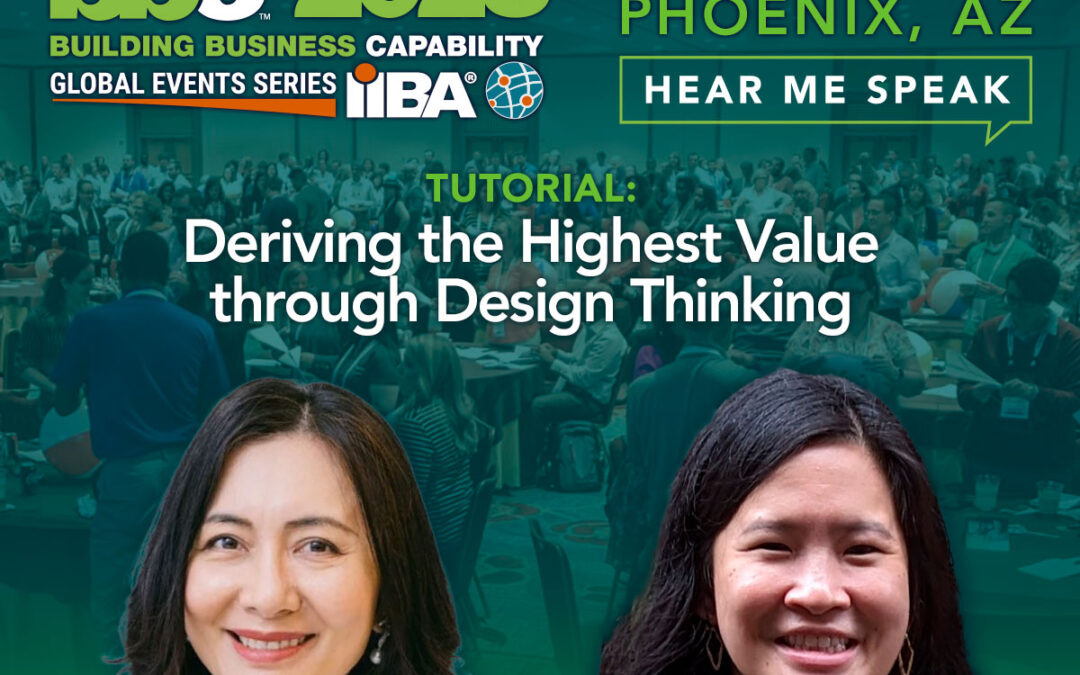
Are you ready to transform the way you gather and manage requirements? Join our Design Thinking workshop, where innovation meets empathy! In today’s fast-paced business world, understanding and prioritizing customer needs is essential. Let’s dive into the exciting realm of Design Thinking—a methodology that keeps the customer at the heart of every decision.
This workshop will reshape your approach to requirements elicitation, prioritization, and management. You’ll learn to use powerful tools to uncover, define, and prioritize high-value requirements. With a hands-on approach, you’ll gain the skills to lead impactful Design Thinking workshops that engage customers and stakeholders in identifying what truly matters.
Embark on this journey toward customer-centric success with us! Let’s empower each other through education and practical insights.